

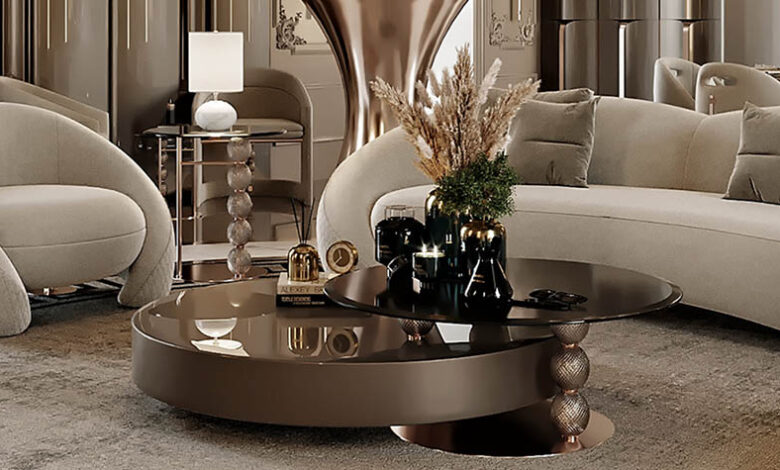
In 2025, the definition of luxury in furniture has evolved far beyond price tags and status symbols. Today’s high-end consumers crave artistry, innovation, and authenticity. Luxury furniture brands are no longer just about lavish designs—they represent sustainable craftsmanship, timeless aesthetics, and an emotional connection to space. As global design preferences shift toward personalization and wellness, these brands are setting new benchmarks for sophistication and purpose-driven design.
This year, the focus is on brands that balance artisanal tradition with cutting-edge creativity. Whether through innovative materials, cultural storytelling, or impeccable detailing, these names are reshaping how we define luxury in interior spaces.
The Changing Landscape of Luxury Furniture
What Defines True Luxury in Furniture
Luxury in furniture is about more than appearance—it’s about the story, the touch, and the experience. High-end buyers today demand craftsmanship that feels both exclusive and enduring. What truly distinguishes luxury furniture brands in 2025 includes:
- Craftsmanship and Heritage: The best pieces are still made by skilled artisans whose techniques have been refined for decades.
- Premium Materials: Exotic woods, full-grain leathers, marble, and natural fibers define top-tier products.
- Design Integrity: A commitment to originality ensures that each item reflects a unique perspective.
- Customization: Personalized detailing, from fabric choice to dimensions, allows homeowners to own something distinctly theirs.
- Sustainability: Conscious production and eco-friendly materials are no longer optional—they are integral to the luxury ethos.
2025 Trends Redefining Luxury Interiors
As we step into 2025, several trends are influencing the direction of luxury furniture brands. Understanding these trends is key to identifying the frontrunners in this evolving industry.
- Sculptural Forms: Furniture is taking on more organic, fluid silhouettes inspired by nature.
- Tactile Textures: Velvet, bouclé, and suede remain popular for their sensory appeal.
- Minimalist Grandeur: Simplified silhouettes with premium materials create quiet luxury—less about opulence, more about refinement.
- Sustainable Craftsmanship: Reclaimed wood, eco-resins, and traceable sourcing dominate the luxury narrative.
- Tech Integration: Subtle smart features are being built into luxury pieces—charging ports, adjustable mechanisms, and ambient lighting.
Leading Luxury Furniture Brands to Watch in 2025
1. Poltrona Frau
Founded in Italy in 1912, Poltrona Frau has become synonymous with leather mastery and understated elegance. Each piece reflects meticulous craftsmanship, with artisans hand-selecting and tanning leather through a multi-step process to achieve its signature softness. In 2025, the brand continues to expand into sustainable materials while retaining its rich Italian heritage. Expect collections that blend modern design with timeless grace—ideal for sophisticated living rooms or executive spaces.
Why It Stands Out:
- Exceptional craftsmanship and tactile materials.
- Focus on heritage-inspired yet modern silhouettes.
- Deep commitment to sustainability without losing luxury appeal.
2. Minotti
Minotti exemplifies contemporary Italian refinement. Known for its minimalist yet inviting designs, the brand focuses on architectural furniture systems that integrate seamlessly into both residential and hospitality environments. In 2025, Minotti continues its exploration of modular living, with designs emphasizing flexibility, comfort, and modern sophistication.
Highlights:
- Perfect balance of comfort and precision design.
- Seamless integration of indoor-outdoor furniture collections.
- Evolving material palette featuring eco-friendly upholstery options.
3. Boca do Lobo
A pioneer in artistic luxury, Boca do Lobo merges traditional craftsmanship with avant-garde creativity. Every piece feels like a collectible sculpture, handcrafted by Portuguese artisans using centuries-old techniques. In 2025, the brand’s bold designs—often featuring gold leaf, hand-painted finishes, and intricate woodwork—continue to appeal to those who view furniture as art.
Why It’s Noteworthy:
- Unapologetically artistic and statement-making.
- Incorporation of heritage techniques into futuristic design.
- Focus on limited editions, ensuring exclusivity.
4. Fendi Casa
Fendi Casa embodies Italian fashion translated into furniture form. The brand fuses haute couture sensibility with interior design, offering pieces that echo Fendi’s runway aesthetic—luxurious materials, rich detailing, and impeccable tailoring. In 2025, its collections continue to blend sophistication with comfort, focusing on versatile designs that suit modern lifestyles.
Key Elements:
- High-fashion influences evident in silhouettes and textures.
- Exceptional leather and fabric quality.
- Refined balance between glamour and functionality.
5. Flexform
Flexform is recognized for understated luxury and exceptional comfort. Each piece feels effortlessly elegant, designed for real living rather than mere display. The brand’s philosophy revolves around timeless appeal and minimalism. In 2025, Flexform’s collections focus on modularity and versatility, ensuring longevity both stylistically and structurally.
What Makes It Special:
- Subtle sophistication and enduring materials.
- Perfect for minimalistic and contemporary interiors.
- Continued innovation in modular seating systems.
6. Roche Bobois
French excellence meets artistic collaboration in Roche Bobois’ latest collections. The brand has always been known for partnering with renowned designers and artists to create pieces that blur the line between design and art. In 2025, expect more vibrant colors, customizable options, and sustainable materials that cater to eco-conscious luxury buyers.
Brand Highlights:
- Emphasis on artistic collaborations.
- Unique, colorful, and customizable furniture.
- Commitment to sustainability and ethical production.
7. Christopher Guy
For those drawn to glamour and grandeur, Christopher Guy remains an icon. The brand’s sculptural forms and refined finishes have long been favored in luxury hotels and private residences. Its 2025 offerings feature contemporary interpretations of classic luxury, emphasizing elegant proportions, smooth contours, and soft palettes.
Distinctive Attributes:
- Fusion of classic European elegance with modern craftsmanship.
- Detailed artistry and impeccable finishes.
- Perfect for creating statement interiors that exude sophistication.
8. Restoration Hardware (RH)
An American powerhouse in the world of luxury interiors, RH continues to redefine modern luxury with timeless, neutral palettes and strong architectural design. In 2025, RH’s collections showcase artisanal craftsmanship and natural materials, resonating with those who value understated luxury.
Why It’s a 2025 Standout:
- Focus on curated, gallery-style collections.
- Sustainable sourcing and timeless aesthetic.
- Expanding influence in luxury hospitality and real estate.
Emerging Luxury Brands Worth Noting
Alongside the heritage names, several emerging brands are making waves in 2025 by embracing innovation and ethical craftsmanship.
- Henge: Known for its custom metalwork and dramatic aesthetics, Henge is redefining modern Italian luxury.
- Ginger & Jagger: A Portuguese brand inspired by nature’s raw beauty, offering sculptural pieces made from organic materials.
- Ethimo: Specializing in outdoor luxury furniture, blending Mediterranean influences with sustainable teak and aluminum.
- Kettal: Continuing to lead in high-end outdoor furniture with advanced materials and modular designs that prioritize both beauty and durability.
These newer names demonstrate how innovation and sustainability are driving the luxury segment forward, ensuring that exclusivity remains aligned with ecological awareness.
The Future of Luxury Furniture
The luxury furniture landscape in 2025 reflects a fascinating duality: respect for heritage craftsmanship and a bold embrace of technological and material innovation. As sustainability becomes synonymous with prestige, brands that combine ethical responsibility with aesthetic excellence will dominate. Consumers increasingly want pieces that tell a story, elevate the senses, and endure for generations.
Luxury furniture is no longer about excess—it’s about expression. Whether minimalist or ornate, modern or classic, every piece should evoke emotion and meaning. The finest brands understand this and continue to deliver experiences, not just furniture.
FAQs
Q1: What distinguishes a luxury furniture brand from a premium one?
Luxury brands emphasize craftsmanship, exclusivity, and storytelling, while premium furniture often focuses on high-quality materials without the same depth of artistry or heritage.
Q2: Are sustainable materials reducing the luxury appeal of furniture?
Quite the opposite—sustainability enhances luxury value today. Conscious production and traceable materials are now key indicators of true refinement.
Q3: Which material trends are defining 2025’s luxury furniture?
Natural stones, warm-toned woods, matte metals, and tactile fabrics like bouclé and velvet dominate the high-end market this year.
Q4: How are technology and luxury furniture merging?
Subtle integration of technology—hidden charging stations, adjustable seating systems, and smart lighting—is making luxury furniture both functional and futuristic.
Q5: What should buyers look for when investing in luxury furniture?
Prioritize craftsmanship, timeless design, brand authenticity, and sustainability. A true luxury piece should feel personal, purposeful, and enduring.
The luxury furniture brands of 2025 reflect more than aesthetic excellence—they represent a new era of intelligent design, where beauty, ethics, and innovation coexist seamlessly.


