

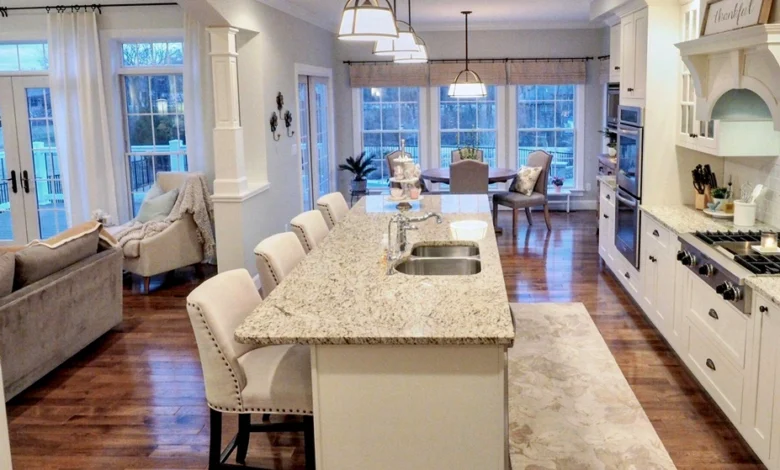
Renovation vs. remodeling is a phrase homeowners and professionals use often, but the two terms are not identical. Understanding the precise differences changes how you plan, budget, obtain permits, and measure return on investment. This article explains both concepts in depth, compares their costs and timelines, clarifies legal and structural implications, and provides practical frameworks to choose the right approach for specific goals. Use this guide to make informed decisions that reduce surprises and deliver the outcomes you expect.
What each term means in practical, construction, and legal contexts
Renovation typically refers to restoring, repairing, or updating existing elements without changing the fundamental layout or structure of a space. Renovation might include replacing finishes, upgrading systems to current standards, or restoring historic features. Remodeling means altering the structure or configuration of a space to change how it functions, looks, or connects to other areas. Remodeling often requires reworking walls, relocating plumbing or electrical systems, and obtaining more extensive permits.
Core differences at a glance
Renovation – restore or refresh existing features while preserving original layout and primary structure. Remodeling – change the configuration, footprint, or use of space, which often involves structural modifications. Both approaches can be combined in a single project, but the distinction matters when planning permits, timelines, and budgets.
Why the distinction matters from the start
Understanding whether your work is renovation or remodeling affects these critical areas: permitting, code compliance, insurance, resale value, timeline, and contractor selection. Misclassifying a remodeling project as a renovation can lead to permit violations, failed inspections, fines, increased costs, and even forced reversal of work. Treat the classification as a control point early in project planning.
Decision framework: How to determine whether your project is a renovation or a remodel
- Identify the scope of change. If changes are cosmetic and confined to finishes, fixtures, and systems in place, label the work renovation. If changes alter walls, room function, or structural elements, label it remodeling.
- List affected systems. If plumbing, HVAC, or electrical remain in existing layouts with upgrades only, you are likely renovating. If routing changes or new service points are created, you are more likely remodeling.
- Consult local building codes. Some municipalities have precise definitions tied to permit requirements. A quick pre-application meeting with the building department prevents missteps.
- Ask your contractor or architect. Professionals can confirm whether structural plans or engineering are required.
Typical examples that illustrate the difference
Renovation examples: repainting interior walls, replacing flooring with similar footprint, installing new countertops in the same layout, upgrading a heating system without moving ductwork, restoring historical trim and windows. Remodeling examples: converting a two-bedroom floor plan into an open-concept layout by removing load-bearing walls, relocating a bathroom, adding a second story or dormer, expanding the kitchen into an adjacent room.
Cost implications: Why remodeling usually costs more
Remodeling typically costs more per square foot because it involves demolition, structural engineering, rerouting utilities, and often longer labor time. Renovations usually focus on materials and finishes, which can still be costly but are more predictable. A 20 percent contingency often covers renovations; for remodeling, a contingency of 25 to 40 percent is more realistic due to hidden conditions and unforeseen structural issues. Early investment in a thorough technical assessment reduces cost volatility.
Cost drivers to watch closely
- Structural work such as beam replacements, underpinning, or new foundations.
- Utility relocations including moving sinks, toilets, and major appliances.
- Permit, inspection, and plan review fees that scale with project complexity.
- Temporary relocation costs if the project renders the home partially uninhabitable.
- Mitigation of hazardous materials like asbestos or lead in older homes.
Timeline comparisons and sequencing
Renovations generally complete faster because the footprint is unchanged: typical timelines run from a few days for cosmetic work to a few weeks for system upgrades and full interior reworks. Remodeling requires more sequencing: demolition, structural reinforcement, rough plumbing and electrical, inspections, insulation, drywall, and finishes. Remodeling projects often take several months and require careful coordination to avoid delays.
Permits, inspections, and code compliance
Renovation work sometimes qualifies for permit exemptions, but many system upgrades still require permits, especially if they involve electrical or plumbing changes. Remodeling almost always requires permits and potentially engineered structural drawings and energy code compliance reviews. Failure to pull required permits can result in fines, forced removal of work, and complications in future home sales. Always confirm permit triggers with your local building department.
Design, engineering, and professional roles
Renovation projects often need a designer or interior stylist to select finishes and layouts that work within existing constraints. Remodeling projects benefit from the involvement of an architect or structural engineer to produce drawings, calculate loads, and obtain approvals. General contractors coordinate subcontractors for both project types, but remodels demand more intensive project management skills.
Selecting the right professional mix
- Renovation scope: interior designer, licensed contractor, specialty trades.
- Remodeling scope: architect or design-build firm, structural engineer, licensed general contractor, specialized trades for plumbing and electrical.
- For complex remodels consider a design-build approach to streamline approvals and construction.
Materials, finishes, and lifecycle considerations
Renovations offer a chance to modernize materials while preserving the existing shell. Select materials that balance aesthetics with durability and maintenance. Remodeling provides an opportunity to rethink material choices based on new spatial functions. When choosing materials, evaluate lifecycle cost including maintenance, repairability, and replacement cycles rather than only initial purchase price.
Sustainability and energy upgrades within each approach
Renovation can include energy efficiency upgrades such as window replacement, insulation, and modern HVAC components without changing layout. Remodeling allows deeper energy strategies like reconfiguring for passive solar, enlarging window openings, or adding insulation to previously inaccessible zones. If energy savings are a priority, quantify potential payback periods and integrate measures into the initial scope.
Financing, resale value, and return on investment
Financing options differ by project type. Cosmetic renovations are commonly financed with home equity lines or personal loans. Major remodels may qualify for renovation mortgages or construction loans that convert to permanent financing. Resale value also differs: targeted renovations that update kitchens and bathrooms can provide a high dollar-per-dollar return. Remodeling that improves function, such as adding bedrooms or reconfiguring living space for modern layouts, can substantially increase market value in many real estate markets.
Risk management and insurance considerations
Both renovation and remodeling introduce risk. Ensure your contractor carries proper liability and workers compensation insurance. Notify your homeowner insurer before starting work to confirm coverage during construction. For major remodels that expose structure, consider builder’s risk insurance or a rider for the duration of construction.
Practical checklist for homeowners planning either kind of project
- Define objectives and prioritize must-haves.
- Conduct a thorough condition assessment and document existing conditions.
- Determine permit requirements with local authorities.
- Create a realistic budget with contingency.
- Assemble the right team based on scope.
- Develop a project schedule with milestones.
- Secure financing and update insurance.
- Communicate expectations and decision timelines with your contractor.
- Plan for living arrangements during intensive phases.
- Maintain records of approvals, change orders, and final inspections.
When to renovate and when to remodel: decision criteria
Choose renovation when your goals are restoration, system upgrades, aesthetic updates, or minor functional improvements. Choose remodeling when the objective is to change how space is used, to increase square footage, or to achieve a new layout or structural change. Consider a hybrid approach if you need both cosmetic refreshes and targeted functional changes; phase the work to manage cash flow and minimize disruption.
Case studies that illustrate the choice and outcomes
Case 1 – Cosmetic refresh with high impact: A 1990s kitchen received new cabinets, countertops, lighting, and energy efficient appliances without changing layout. Result: Lower cost, quick turnaround, strong resale appeal and minimal permitting.
Case 2 – Functional remodel with market payoff: An outdated layout was converted into an open-plan kitchen and living area by removing a non-structural wall and relocating the pantry. Result: Higher cost and longer timeline but marked increase in marketability and daily living quality.
Case 3 – Structural remodel with long-term benefit: A homeowner converted an attic into a master suite, requiring new dormers, structural reinforcement, and HVAC extension. Result: Major investment with substantial home value increase and added living area.
Common pitfalls and how to avoid them
- Underestimating hidden conditions – mitigate with thorough pre-demolition inspections and realistic contingencies.
- Failing to secure permits – prevent by early discussions with code officials and professional plan submissions.
- Selecting contractors based solely on lowest bid – avoid by vetting references, insurance, and detailed proposals.
- Ignoring future maintenance costs – avoid by choosing durable systems and documenting warranty coverage.
Realistic expectations for timelines and disruption
Plan for longer timelines for remodeling projects and allow for intermittent disruptions such as no access to parts of the home, noise, and dust. If possible, phase work to maintain essential functions like at least one operational bathroom and a temporary kitchen area.
Frequently Asked Questions
Q: Can a renovation later become a remodel without starting over?
Yes. Many homeowners begin with a renovation and later expand scope into a remodel. However, expanding scope midstream can increase cost and complexity, especially if permits and structural work are then required. Planning for potential future remodeling during renovation reduces retrofit costs.
Q: Do remodels always require an architect?
Not always, but major remodels that affect structural components, change load paths, or alter building footprint typically require an architect or structural engineer. Smaller remodels may be handled by experienced contractors with drafting capabilities.
Q: How should I budget for unexpected issues uncovered during demolition?
Set aside a contingency of 25 to 40 percent for remodeling projects, and at least 10 to 20 percent for renovations. Conducting early invasive inspections when feasible lowers the unknowns and can reduce contingency needs.
Q: Are permits more expensive for remodeling than for renovation?
Permit fees often scale with project valuation and complexity. Remodeling that increases square footage or alters structure usually triggers higher permit and plan review fees than cosmetic renovations.
Q: How do I protect my investment if I plan to sell soon after work is completed?
Focus on functional improvements that buyers value, such as updated kitchens, bathrooms, energy efficiency, and layout improvements. Keep documentation for permits, warranties, and contractor credentials to transfer to the buyer.
Q: What is the best way to phase a combined renovation and remodel?
Start with structural and system work first to minimize rework, then move to finishes and cosmetic updates. If budget or living constraints exist, sequence high-impact rooms first, such as kitchens and bathrooms.
Understanding the distinction between renovation and remodeling lets you align objectives, manage cost, comply with law, and select the right professionals. Use the decision frameworks and checklists above to plan confidently and deliver outcomes that match both your lifestyle and financial goals.