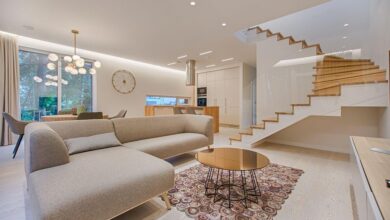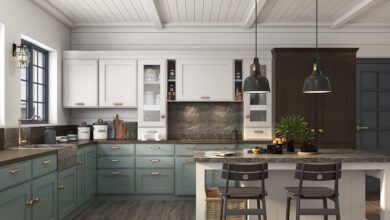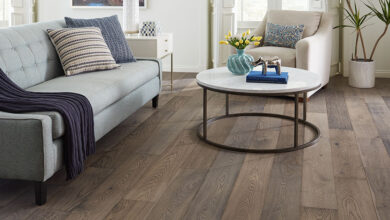

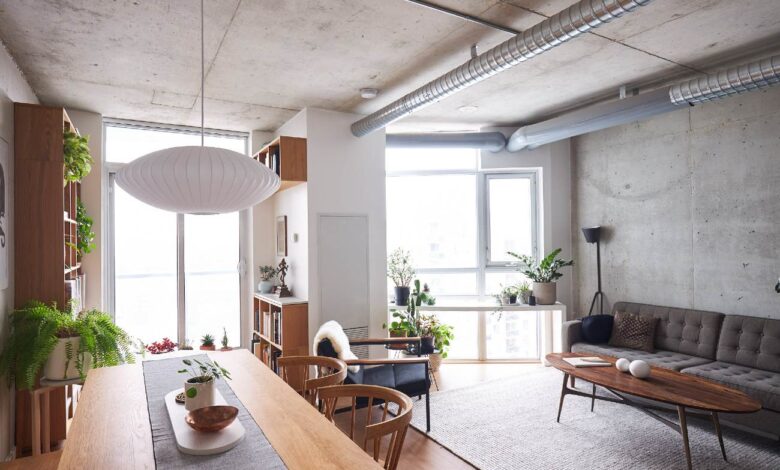
Small space interior design is both an art and a science. When square footage is limited, every decision matters: furniture selection, circulation paths, storage strategies, lighting, finishes, and even the order of daily activities. Thoughtful design moves beyond surface-level hacks and embraces systems that make small homes feel larger, more functional, and personally expressive. In this article you will find advanced, evidence-backed strategies and practical tactics for maximizing space in apartments, tiny houses, studio units, and compact rooms. The phrase small space interior design appears early because it is the core concept that ties layout, material choice, and lifestyle together.
Principles That Guide High-Performance Small Space Design
Small spaces demand a principle-driven approach rather than improvisation. The best outcomes stem from integrating the following guiding ideas into every decision.
Prioritize function over form
Form is important, but function is decisive. Begin by mapping daily activities and prioritizing furniture and systems that support those activities. A well-placed table that folds away does more for a small apartment than an oversized decorative piece.
Think in layers of use
Design for layered use of the same area. A window bench that serves as seating, storage, and a reading nook creates value beyond a single function. Stacking uses reduces the need for multiple pieces and frees circulation space.
Opt for spatial economy, not austerity
Maximizing space is not the same as removing personality. Use compact, well-designed elements that deliver comfort and style without bulk. Minimalism without warmth produces sterile spaces that do not perform long term.
Design for movement and flow
Clear circulation paths make a room feel larger. Visual continuity, consistent sightlines, and unobstructed door swings create the impression of space and reduce daily friction.
Advanced Layout Strategies That Expand Perceived and Actual Space
Layout choices determine whether a small home supports life or merely contains objects. Use these strategies to create effective flow and multi-functionality.
Zoning without walls
Use rugs, lighting layers, and furniture orientation to define zones. In an open studio, position a sofa to create a subtle separation between living and sleeping areas. Floating furniture away from walls can create a sense of depth and circulation.
Diagonal alignment to increase perceived depth
Angling a piece of furniture, such as a console or a bed, by a modest angle can make a corner feel less rigid and visually increase perceived depth. This technique works best in irregular rooms or spaces with strong rectangular geometry.
Walk-through storage solutions
Built-in cabinets that also function as passageways combine movement and storage. Narrow, full-height closets with sliding doors or shallow pull-out storage allow passage while contributing usable storage capacity.
Vertical stacking of functions
Stack kitchen, laundry, and home-office functions layered vertically when ceiling height permits. A compact stacked laundry tucked above a microfiber sink or a lofted work platform works when structural and code constraints allow.
Furniture Selection: High-Value, Low-Footprint Choices
Choosing furniture that supports multiple uses and scales to the space changes everything. The goal is to reduce footprint while increasing functionality.
Prioritize modular and multi-function pieces
- Modular sofas that reconfigure into sleeping or storage arrangements adapt as needs change.
- Extendable dining units serve daily as compact tables and expand when hosting guests.
- Murphy beds integrated with shelving or desks create overnight sleeping zones that disappear during the day.
Choose scale and proportion deliberately
Avoid oversized silhouettes and seek furniture scaled to human ergonomics and room proportion. A compact lounge chair with a narrow profile can be more comfortable and less visually intrusive than a large sectional.
Use lightweight, movable furniture
Furniture with thin profiles and light frames can be relocated when necessary to transform the room layout. Pieces on casters provide flexibility for cleaning and reconfiguration.
Invest in built-in seating with storage
Window seats, benches, and alcove benches with integrated drawers or lift-up lids maximize the utility of otherwise wasted spaces.
Smart Storage Systems That Hide and Reveal Clutter
Storage is the backbone of small space functionality. The right systems make possessions invisible without removing them from daily use.
Concealment plus access: the dual requirement
Good storage conceals but remains easily accessible. Organize items by frequency of use: everyday items stored near activity zones and seasonal items moved to infrequent-access zones.
Use the full height of the room
Floor-to-ceiling cabinetry capitalizes on vertical space. Include a mix of open shelving at eye level for display and closed cabinets higher up for infrequent items. Add a rolling step stool stored in a cabinet for safe access.
Narrow, deep drawers over shallow wide shelves
Drawers allow complete access to contents without reach-in dead zones. In kitchens and bathrooms, drawers sized to utensils, cookware, and toiletries increase usable capacity compared to fixed shelves.
Hidden niches and shallow in-wall storage
Recessed niches between studs and behind appliances make use of structural voids. Shallow medicine cabinets, recessed bookcases, and slim pantries along hallways provide storage without reducing circulation width.
Decluttering systems and rotation
Implement a disciplined rotation and editing routine. Use labeled containers, seasonal curation, and a one-in-one-out rule to keep storage from expanding to fill all available space.
Lighting and Color: Psychological Expansions of Space
Perception is integral to spatial experience; lighting and color directly manipulate perceived volume.
Layered lighting for depth and mood
Combine ambient, task, and accent lighting to create depth. Ambient light sets general brightness, task light focuses on work zones, and accent light emphasizes vertical surfaces and artwork to draw the eye upward.
Maximize natural light with reflective strategies
Keep windows uncovered or use sheer treatments to allow light in. Position mirrors to bounce daylight into shadowed corners and select finishes with subtle sheen rather than matte extremes to reflect light without glare.
Palette choices that increase visual volume
Use a cohesive, limited color palette to create continuity. Light, warm neutrals on walls expand the field of view, while darker accents in trim or furniture add depth without overwhelming the space. Consider tonal layering instead of stark contrasts for a sophisticated look.
Visual lines and continuity
Run the same flooring across adjacent zones to maintain continuity. Avoid abrupt changes that visually chop the space. Continuous baseboards and consistent trim heights also help maintain an unbroken line of sight.
Materials and Surface Choices That Aid Function and Scale
Materials must be durable and appropriate for the use condition, while also contributing to perceived space.
Choose large format tiles or continuous surfaces
Fewer grout lines and wider planks create the perception of spaciousness. In small bathrooms and kitchens, continuous surfaces minimize visual clutter.
Opt for thin-profile millwork and hidden hardware
Thinner cabinet faces and integrated pulls reduce projection into narrow aisles, creating more usable corridor width. Hidden hinge systems and push-to-open mechanisms keep surfaces clean and streamlined.
Texture and pattern used with restraint
Texture adds depth, but excessive pattern fragments space. Use texture on a single focal wall or through textiles rather than across multiple surfaces. Subtle patterns in rugs or cushions are more effective in small spaces.
Kitchen and Bath Tactics for Compact Living
Kitchens and bathrooms are the most functionally dense spaces. Design them to operate efficiently without occupying excessive square footage.
Compact kitchen zoning
Arrange the work triangle tight but not cramped. Use vertical storage for cookware, and incorporate pull-out pantry systems for deep storage. Select slim-profile appliances and undercounter refrigeration when full-size units are impractical.
Wet-room approach for bathrooms
Consider a wet-room concept when bathroom square footage is minimal. A single waterproofed area that accommodates shower and toilet with appropriate drainage reduces partitioning and makes the room feel larger. Use glass partitions to maintain visual continuity while containing water.
Integrated fixtures and wall-hung systems
Wall-hung toilets and vanities free floor space and create the illusion of more area. Concealed cisterns and wall-mounted faucets simplify cleaning and reduce visual clutter.
Flexibility and Future-Proofing
Small spaces must adapt to life changes. Design with flexibility to accommodate evolving needs.
Modular systems that reconfigure
Choose systems that can grow or contract. Modular shelving and plug-and-play lighting systems make it easier to reconfigure without major renovation.
Infrastructure for future needs
Run conduits or leave chase spaces for future wiring and plumbing changes. Pre-planned access panels reduce the cost and intrusion of later upgrades.
Neutral, durable backdrops
A neutral, durable base finish supports multiple style reboots over time, extending the value of the initial investment. Replace textiles and accent pieces to refresh the look periodically without a full remodel.
Psychological and Lifestyle Strategies to Enhance Small Space Living
Design is only part of the solution. Behavioral patterns and household routines shape how a space is used.
Ritualize daily clearing and “reset”
Create a nightly 10-minute reset habit where surfaces are cleared and items returned to assigned storage. This short ritual preserves the perception of order and prevents clutter accumulation.
Limit possessions through intentional acquisition
Adopt a mindful acquisition practice. Before adding a new item, question the need, frequency of use, and storage implications. Intentional possessions reduce storage pressure.
Build routines around the space’s strengths
If the apartment has abundant natural light in the morning, schedule work and active tasks during that period. Use the space’s characteristics to guide daily life, maximizing comfort and efficiency.
Practical Checklist for a Small Space Design Project
- Map daily activities and rank them by frequency and priority.
- Identify three zones that must be preserved, for example sleeping, cooking, and work.
- Choose multi-purpose furniture for those zones.
- Design continuous sightlines and consistent flooring.
- Maximize vertical storage and conceal clutter with closed cabinetry.
- Layer lighting and use mirrors to amplify daylight.
- Select durable, thin-profile materials and avoid heavy ornate elements.
- Build in flexibility with modular systems and future-ready infrastructure.
- Create a maintenance and declutter routine with clearly labeled storage.
Frequently Asked Questions (real-world focused and not covered earlier)
Q1: How do I run ductless HVAC or ventilation in a tiny unit without losing space?
Ductless mini-split systems save space because they require only a small wall-mounted head and a thin refrigerant line to the outdoor unit. Place the indoor head high on a wall where airflow will distribute across the room. Use a compact inline fan for bathroom ventilation routed through a chase or soffit to avoid floor intrusion.
Q2: What is the best window treatment for privacy while preserving light?
Top-down bottom-up shades are ideal. They allow you to lower the top sash for daylight while keeping the lower portion covered for privacy. Sheer roller shades can provide daytime privacy while diffusing light and maintaining a view.
Q3: Can I create storage under the stairs in a townhouse or duplex and how?
Yes. Carve out full-height closets, pull-out pantry drawers, or an integrated home office beneath stairs. Use bespoke joinery to match stair geometry; avoid residual odd-shaped voids with custom drawers and cubbies. Include lighting and labeled zones so the under-stair area becomes a usable storage asset.
Q4: How do I prevent small spaces from feeling overheated by too much furniture?
Prioritize negative space as part of the plan. Keep a minimum clear path of at least 30 inches where possible, and use low-profile furniture to maintain sightlines. Emphasize open legs and transparent materials such as glass or acrylic to reduce visual mass.
Q5: What flooring choice is most forgiving in a compact apartment with pets?
Luxury vinyl planks offer a resilient, waterproof surface with realistic wood visuals, good slip resistance, and easy maintenance. Choose wider plank formats with fewer seams to minimize visual fragmentation and simplify cleaning.
Q6: Are lofts a viable option in small urban units to add usable area?
Lofts can effectively double usable square footage by creating elevated sleeping or storage platforms. Confirm ceiling height, structural load, and local building codes. Provide safe access like a compact staircase with built-in storage rather than a ladder for daily use.
Designing for small spaces is a discipline of restraint and creativity. With careful planning, layered functionality, and the right selection of furniture and systems, compact homes can offer comfort, beauty, and utility that rival larger spaces. Adopt principle-led strategies, invest in adaptable elements, and cultivate routines that preserve order; these are the lasting tricks that transform small spaces into expansive, livable homes.