

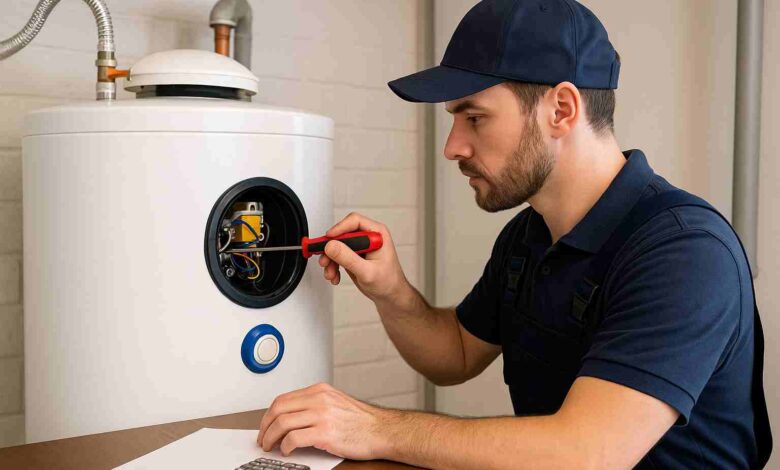
Understanding Common Water Heater Issues That Require Expert Attention
Signs Your Water Heater is in Distress
When it comes to water heaters, early detection of problems can save you time, money, and unfortunate inconveniences. Several signs indicate that your water heater may be in distress and requires immediate attention from a qualified professional. If you notice inconsistent water temperatures— fluctuating between hot and lukewarm or even cold showers— this can indicate issues with the thermostat or the heating elements. Additionally, any unusual noises such as popping, cracking, or rumbling usually indicates sediment buildup or mechanical failure, both of which need expert inspection.
Leaks are another glaring sign of trouble; if you spot water pooling around your unit or dripping from any component, it is crucial to act swiftly to prevent further damage. Discolored or rusty water suggests corrosion within the tank and may necessitate replacement rather than repair. Finally, if your water heater is nearing the end of its lifespan—typically 8-12 years for traditional units—it might be time for an upgrade, especially if you’re experiencing multiple issues at once. Ignoring these warning signs can lead to more extensive issues down the line, proving that swift recognition and action are essential in maintaining the health of your water heater.
What Causes Water Heater Breakdowns?
Understanding the underlying causes of water heater breakdowns is key to prevention and effective repair. The most common culprit is sediment buildup in tank-style water heaters. Over time, minerals such as calcium and magnesium accumulate at the bottom of the tank, acting as an insulating layer that prevents efficient heating. This accumulation can eventually lead to premature failure of the heating elements and corrosion of the tank itself.
Another frequent cause of breakdowns involves electrical failure. For electric water heaters, issues can stem from tripped circuit breakers, blown fuses, or malfunctioning heating elements. In gas water heaters, the ignition system, gas valve, or thermostat may be at fault. Each of these components is essential for the appliance’s operation and must be regularly checked for optimal performance.
Moreover, the water quality in your area can play a significant role in the functioning of a water heater. Hard water, or water with high mineral content, can accelerate scale buildup and, if not managed, can severely diminish the lifespan of your heating system. Regularly testing your water can give insights into its quality and guide preventive measures effectively.
The Importance of Timely Repairs
Timely repairs on your water heater are crucial—not only does it prevent minor issues from escalating into major, costly problems, but it also ensures energy efficiency and safety in your home. Ignoring small signs of distress, like fluctuating temperatures or sporadic noises, can lead to a total system failure, requiring an unexpected replacement of the entire water heater.
Moreover, a malfunctioning water heater can lead to water damage in your home, which adds to the repair costs and could introduce health risks such as mold growth. Timely maintenance and intervention from a professional ensure that the system operates smoothly, reducing energy consumption and ultimately lowering utility bills. Additionally, it provides the peace of mind that comes with knowing your family has access to hot water whenever they need it. Thus, investing in expert repair services not only enhances the lifespan of your unit but also boosts the overall safety and comfort level within your household.
Your Guide to Choosing the Right Water Heater Repair Service in Plano
What to Look for in a Trusted Repair Technician
When selecting water heater repair services in Plano, there are several critical factors to consider. First and foremost, ensure that the technician is licensed, insured, and has ample experience in handling a variety of water heater makes and models. Certification from a recognized body provides assurance that the technician has undergone the required training to ensure the safety and efficacy of their work.
Secondly, assess their customer service approach. A reputable technician will have an open communication style, ready to answer your questions and explain the issues clearly to help you understand the repairs needed. Check whether they provide written estimates before starting the work and if they guarantee their services. Lastly, the availability of the technician is also crucial; look for a service that offers emergency repair options, particularly in cases of leaks or breakdowns that need urgent attention. A skilled technician, combined with excellent customer service, ensures that your water heater issues are handled professionally from start to finish.
Reading Between the Lines: Customer Reviews Matter
In today’s digital age, customer reviews can be one of the most informative resources when selecting a repair service. Reading through reviews and testimonials on platforms such as Google, Yelp, or even the company’s social media pages can provide a glimpse into other customers’ experiences. Look for feedback regarding the technician’s work quality, timeliness, and reliability. Positive reviews that detail efficient service and transparent communication are often signs of a trustworthy business.
Be cautious of companies that have a repetitive pattern of negative reviews, especially concerning the same issues, as these can indicate systemic problems within the service. Additionally, consider the breadth of reviews; a company with numerous positive reviews is likelier to be consistent than one with few isolated good experiences. Engaging with these reviews not only helps you in making an informed decision but can also provide insight into which service providers uphold a standard of excellence.
Cost Factors: Understanding Pricing for Repair Services
Understanding the cost factors involved in water heater repairs is essential for budgeting and ensuring fairness in pricing. Costs can vary significantly based on several elements, including the type of water heater you have—tankless, gas, or electric, the extent of the damage, and geographic location. In addition to hourly labor rates, look out for flat fees or trip charges commonly applied by many repair services.
Be mindful of parts and materials needed for repairs, as these can greatly influence pricing. Reputable companies usually offer written estimates that clearly outline the cost breakdown, thereby eliminating surprises when the final bill arrives. Don’t hesitate to request quotes from multiple services; this practice enables you to make an informed decision while holding technicians accountable for their pricing. Ultimately, it’s not just about finding the cheapest option; instead, opt for value—effective repairs that come at a reasonable price.
The Repair Process: What to Expect When You Call in the Pros
A Step-by-Step Breakdown of the Repair Process
When a professional technician arrives to repair your water heater, you can expect a systematic approach designed to pinpoint the problem and restore functionality efficiently. The process usually begins with a thorough assessment of the unit—this includes observing the external condition as well as checking indicators such as pressure and temperature settings. Then, they’ll conduct diagnostic tests to isolate the issue, which could involve checking the heating elements, thermostat, and any potential leaks.
Once the problem is identified, the technician should explain the required repairs to you, including the cost estimate and expected duration for the work. After obtaining consent, the technician will proceed with the repairs, which could involve replacing damaged parts, flushing the tank to remove sediment, or adjusting connections.
Following the repair, a competent technician will conduct thorough tests to ensure the unit runs as expected before leaving. They will also inform you about maintenance tips you can implement to prevent future issues. This transparent and systematic process not only restores functionality to your water heater but also builds trust and knowledge for you as a homeowner.
Common Tools and Techniques Used by Professionals
Professional water heater repair technicians utilize a range of specialized tools and techniques to diagnose and fix problems accurately. Among the most common tools are multimeters, which help detect electrical issues, and pressure gauges that provide vital data on water tank pressure levels. Pipe wrenches, pliers, and screwdrivers are essential for handling fittings and components securely.
For more complex troubleshooting, professionals might also use thermal imaging cameras to discover invisible leaks or thermal problems around the heater. When making repairs, they often employ techniques such as soldering for pipe repairs, along with the effective use of sealants and joint compounds to ensure every connection is watertight and secure.
Moreover, professionals are knowledgeable in local plumbing codes, ensuring that all work complies with regulations while using energy-efficient practices. This level of expertise guarantees that your repairs are not only effective but also safe for your home environment.
The Role of Maintenance After Repairs
Once the water heater has been repaired, maintenance plays an essential role in ensuring its longevity and optimal performance. Regular maintenance can reduce the chances of future breakdowns and amplify energy efficiency. This includes routinely checking the temperature setting—most experts recommend keeping it at 120 degrees Fahrenheit to prevent scalding while optimizing energy use.
Inspections should also encompass checking the anode rod, which protects the tank from corrosion. Regularly flushing the tank to eliminate sediment buildup reduces potential damage and improves heat efficiency. The frequency of maintenance checks depends on the local water quality, but generally, an annual inspection often suffices.
Finally, keep track of the age of your unit and be mindful of any signs of wear and tear. Awareness and proactive maintenance ensure you’re not only extending the life of your water heater but also guaranteeing continued reliability and peace of mind for you and your family.
Preventative Measures: Keeping Your Water Heater in Top Shape
Routine Maintenance: The Key to Longevity
Routine maintenance is critical to extending the lifespan of your water heater and enhancing its performance. Schedule annual inspections with a qualified technician, who can conduct a comprehensive examination of your unit, check for leaks, evaluate electrical connections, and replace worn or damaged parts as necessary.
During regular maintenance, professionals should also perform a thorough cleaning by flushing the tank to remove sediment, which can drastically reduce heating efficiency over time. Additionally, they can assess the condition of the anode rod, ensuring that it is intact and effectively preventing corrosion. By investing in routine maintenance, you not only prolong the life of your water heater but also ensure that your system operates safely and efficiently.
Furthermore, keep an eye on the external elements, such as the pipes and insulation around the tank. Ensuring that all components are well insulated can prevent heat loss and can ultimately reduce energy bills while enhancing system performance.
DIY Tips for Minor Issues and Maintenance
While many repairs and inspections require professional assistance, there are some minor issues that homeowners can address themselves. Begin by performing a visual inspection of your water heater—check for visible leaks, corrosion around fittings, or any unusual noises.
If you notice a dip in water temperature, you may want to check the thermostat settings or reset the circuit breaker, as this could resolve minor electrical issues. Additionally, periodically inspect the anode rod. If it appears to be significantly corroded, it may need replacing, which is a straightforward DIY task for those comfortable with basic plumbing.
Flushing the tank is also a manageable task when performed once a year. Simply turn off the power supply, attach a hose to the drain valve, and let the tank empty. This helps remove sediment and keeps the heater running smoothly. However, if you’re uncertain about any process, consulting a professional ensures that you maintain the integrity and safety of the unit.
When to Schedule a Professional Check-Up
Knowing when to call a professional for a check-up is crucial for maintaining your water heater. As a general rule, an annual maintenance visit is advisable, but there may be additional occasions when you should seek immediate professional insight. If your water heater begins showing any signs of distress—like leaks, unusual noises, or fluctuating temperatures—don’t hesitate to schedule an appointment.
Moreover, if it has been more than a year since your last check-up, or if you have changed your water quality (for instance, moving to an area with harder water), it’s wise to arrange an inspection. Special attention should also be paid to older units; water heaters that are approaching or have surpassed their expected lifespan of 8 to 12 years should undergo regular professional evaluations to assess for any issues that may arise.
Ultimately, proactively scheduling regular inspections and consultations can help you avoid emergencies in the long run, ensuring your home maintains uninterrupted access to hot water while extending the overall life of your water heating system.
In conclusion, water heaters are vital components of any household, and understanding their operation, common issues, and repair processes is essential for homeowners. By partnering with qualified professionals and engaging in regular maintenance, you can ensure your water heater provides reliable service for its entire lifespan. Whether you face minor repairs or significant issues, prioritizing the health of your water heater will enhance your home’s comfort and efficiency.
FAQ
Question: How often should I have my water heater serviced? – It is recommended to schedule professional maintenance annually to ensure optimal performance and longevity of your water heater.
Question: Can I replace my water heater on my own? – While some homeowners may attempt DIY replacement, it is recommended to hire a licensed professional to ensure safety and compliance with local codes.
Question: What is the average lifespan of a water heater? – The typical lifespan of a traditional water heater is around 8-12 years, though this can vary based on water quality and maintenance practices.
Question: How can I improve the efficiency of my water heater? – Regular maintenance, including flushing the tank, checking the anode rod, and setting the thermostat correctly, can help improve the efficiency of your water heater.
Question: What should I do if my water heater is leaking? – If you notice a leak, it’s important to turn off the power or gas supply and water intake, and then contact a professional to assess and repair the issue promptly.
Question: Are tankless water heaters worth the investment? – While tankless water heaters can be more expensive upfront, they offer on-demand hot water and can be more energy-efficient in the long run, making them a worthy investment for some homeowners.
Question: How do I test if my water heater is functioning properly? – You can test your water heater by checking the water temperature, listening for unusual noises, and inspecting for leaks or discoloration in the water.
Question: What are some signs that indicate replacement is needed rather than repair? – Signs for replacement include consistent leaks, rusty or discolored water, and repairs that exceed 50% of the cost of a new unit, especially in older models nearing the end of their lifespan.