
Choosing The Right Multi-Family Roof Repair Contractor: Essential Tips For Property Owners

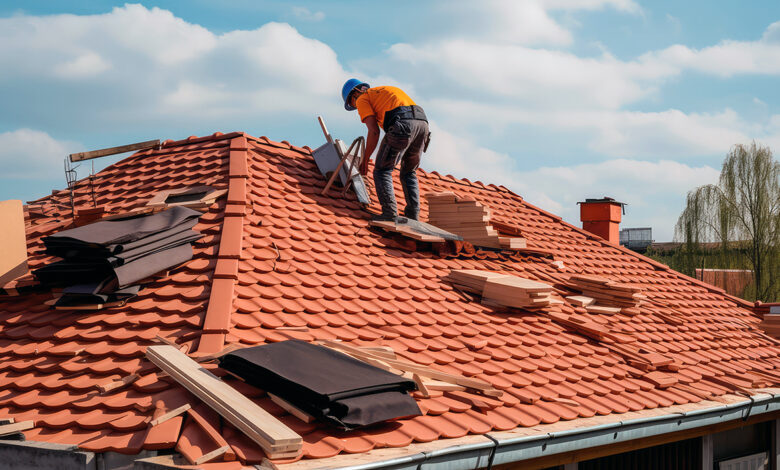
Understanding the Importance of Specialized Expertise in Multi-Family Roof Repairs
The Unique Challenges of Multi-Family Roofing Projects
Multi-family roof repairs necessitate a unique approach that differs significantly from residential roofing. Property owners must comprehend the complexities involved in managing multiple units under one roof. The larger expanse means that roofs often face more significant wear and tear, with a higher likelihood of leaks or structural issues stemming from multiple sources of water intrusion. Additionally, unique building designs and materials can require specialized skills that not all contractors possess. Communication becomes critical; contractors must coordinate with property managers, tenants, and potentially other contractors working on-site, and they must guarantee minimal disruption to residents’ lives. The unique challenges of these projects also extend to compliance with local building regulations, ensuring the safety and structural integrity of the entire building. This understanding emphasizes the necessity of hiring a contractor well-versed in multi-family structures.
Why General Contractors May Not Cut It
While general contractors have broad construction experience, they may not possess the specific expertise needed for multi-family roofs. General contractors often take on numerous projects across different fields and may lack in-depth knowledge of complex, multifamily roofing systems like flat roofs, mansard roofs, or canopies that require specialized materials and installation techniques. Such limitations may lead to inadequate repairs, resulting in further damage and increased costs for property managers. Furthermore, multi-family units require strategies for effective project scheduling that minimizes inconvenience to tenants while still adhering to timelines and budgets. An experienced multi-family roof repair contractor brings not just the technical know-how but also the understanding of managing people, processes, and potential disruptions, ensuring that the project progresses smoothly and efficiently.
How Experience Translates to Quality Workmanship
Experience in the multi-family roofing sector translates into quality workmanship through both technical skill and industry insight. Contractors with a history in this niche have likely encountered various roofing problems and have honed their resolution strategies accordingly. They know which materials perform best under specific conditions and can offer informed recommendations that may save property owners money and headaches in the long run. Moreover, such contractors will often carry specialized equipment designed for multi-family housing, which can enhance efficiency and safety on the job site. Their track record will also reflect on the level of workmanship they consistently deliver, showcasing not just finished projects but the durability and effectiveness of their repairs over time. Therefore, when selecting a contractor, prioritize their experience working on similar projects as it directly correlates with the final outcome and longevity of the repairs.
Key Questions to Ask Potential Contractors Before Hiring
What Should a Comprehensive Roofing Proposal Include?
A well-structured proposal is the cornerstone of any successful roofing project and serves as a blueprint for what the contractor will deliver. It should include a detailed description of the work scope that outlines the tasks the contractor will perform, the materials to be used, and the estimated timelines for each phase of the project. Additionally, proposals should provide clear pricing, including labor costs, material expenses, and a breakdown of any other associated fees. Transparency is key; the proposal must stipulate payment terms and conditions, to avoid any surprises during project execution. Safety measures and compliance with local building codes should also be outlined, as demonstrating adherence to regulatory standards is critical in protecting both contractor and owner interests. An effective proposal not only protects the contractor but also acts as a contract by which the owner can hold them accountable throughout the project.
Evaluating Licenses, Insurance, and Certifications
Before hiring a contractor, property owners must ensure that the contractor holds the appropriate licenses, insurance, and certifications. A valid contractor’s license indicates that they have met local regulatory requirements and possess the necessary knowledge to undertake roofing work. Additionally, they should carry liability insurance to protect property owners from potential damages or injuries that occur during repairs. Worker’s compensation insurance is equally critical—it safeguards owners from potential liabilities stemming from injuries sustained by the crew while on-site. Certifications from recognized industry bodies serve as an indicator of professionalism and commitment to quality standards. These credentials often reflect ongoing education in the latest roofing techniques and materials, further validating the contractor’s expertise. By taking the time to verify these qualifications, property owners can significantly reduce the risk of hiring unqualified or underinsured contractors.
Assessing Workmanship Guarantees and Warranties
A key element of your engagement with any contractor should include a discussion about workmanship guarantees and warranties. These assurances not only underscore the contractor’s confidence in their skills but also offer property owners peace of mind. A reputable roofing contractor will provide a warranty that covers labor for at least a few years, which is essential in ensuring that if problems arise shortly after the repair, the contractor is responsible for addressing them without additional cost to the property owner. Furthermore, it’s crucial to distinguish between manufacturer warranties on materials and those provided by the contractor on workmanship, as overlapping coverage can offer additional reassurance against defects. A detailed outline of warranty terms should be included within the proposal or contract, detailing exclusions, time frames, and procedures for making claims should issues arise. Understanding these guarantees gives property owners assurance that they are protected should problems develop unexpectedly.
Reading Between the Lines: Client Testimonials and Reviews
Spotting Red Flags in Reviews and Ratings
When evaluating potential contractors, scrutinizing client testimonials and online reviews is vital in forming an informed opinion. Keywords and phrases mentioned repeatedly across reviews can indicate a contractor’s strengths or weaknesses. Pay close attention to feedback relating to the quality of work, project timelines, communication, and overall satisfaction. Red flags to watch for include consistently negative comments regarding poor quality work or service, missed deadlines, and unprofessional behavior. Additionally, a lack of detailed reviews may indicate a contractor has limited experience or has not built significant credibility within the community. It’s important to distinguish between legitimate criticism and isolated incidents, noting that not all feedback is equal. Therefore, contextualize reviews and consider patterns across multiple sources to ensure an accurate assessment.
The Power of Local Recommendations
Local recommendations can often hold more weight than online reviews and can provide insights into a contractor’s reputation within the community. Engaging with local property management associations or networking with fellow property owners can reveal first-hand experiences and insights that may not be available on public platforms. Often, local contractors who rely heavily on word-of-mouth referrals may be more motivated to ensure high-quality service to maintain their reputation. Consider establishing relationships with property managers in your area, as they frequently interact with contractors and can offer knowledgeable advice. In addition, attending local building trades shows or community forums may help connect with reputable contractors who specialize in multi-family roofing. The blend of personal recommendations and community-based insights can guide property owners toward contractors who have a proven track record of success.
How to Conduct a Thorough Reference Check
Conducting a reference check is an essential step in the contractor hiring process, allowing property owners to gain deeper insights into the contractor’s performance and reliability. Begin by requesting a list of past clients from the contractor, specifically focusing on projects similar to your own. Reach out to these references with specific questions about their experiences, including the scope of work, budget adherence, and communication. Key aspects to inquire about include any issues that arose during the project and how they were handled, the quality of the craftsmanship, and whether the project met or exceeded expectations. Gathering insights from direct references can illuminate both the positives and negatives of hiring the contractor, allowing you to make a more informed decision. Always trust your instinct; if something feels off during the reference check, it’s worth considering other options.
Budgeting for Quality: How to Find Value Without Compromising on Excellence
The Balance Between Cost and Quality in Roofing Repairs
Finding the right balance between cost and quality is one of the most challenging aspects of hiring a roofing contractor. For many property owners, there is a temptation to choose the lowest bid, assuming this will save money. However, this approach often leads to subpar materials and workmanship and potentially higher costs down the line due to repairs or replacements. High-quality roofing materials may come with a higher upfront cost, but they can provide significant long-term savings by standing up to weather conditions and reducing maintenance needs. Furthermore, skilled contractors with higher rates often have the experience and resources necessary to complete the job efficiently and correctly, which can mitigate headaches associated with unresolved issues. The goal should be to establish a reasonable budget that allows for quality materials and skilled labor, weighing both current needs and future implications of the investment.
Understanding Pricing Structures: What to Expect
Roof repair estimates can vary significantly, and understanding pricing structures is pivotal for property owners. The final cost will depend on various factors, including the size and complexity of the roof, the types of materials chosen, the condition of the existing roof, and the labor involved. A reputable contractor should be able to provide a comprehensive breakdown of costs in their proposal, allowing owners to see exactly where their money is going. Typically, contractors charge either a flat rate or an hourly fee, with labor constituting a substantial part of the overall expense. Landlord costs can also hinge on the time of year; for example, repairs during peak roofing seasons may carry additional labor charges. Beyond basic repairs, it is essential to include considerations for further inspection or additional damage found during the work. Taking the time to understand and compare these structures will create a foundation for informed decision-making.
How to Avoid Hidden Costs and Surprises in Your Contract
Every property owner wants to avoid unpleasant surprises, especially when it comes to project costs. To preempt any hidden charges, ensure that your contract includes detailed provisions that outline every aspect of the project. All aspects, such as materials, labor, permits, and special fees, should be spelled out transparently. Additionally, always read the contract thoroughly before signing, and don’t hesitate to seek clarifications on any vague terms. Consider including a clause in the contract that requires any changes to be documented in writing before being implemented, preserving clarity and accountability throughout the project. It can also be beneficial to establish a clear process for addressing unforeseen issues or changes within the project scope and how these will affect costs. Engaging in upfront discussions that prioritize transparency helps create a positive working relationship and builds trust between the contractor and property owner.
With these insights in mind, property owners can make informed decisions when selecting a multi-family roof repair contractor, ensuring that the investment not only meets their immediate needs but also promotes long-term satisfaction and durability.
FAQ
Question: How can I determine if a contractor has the necessary experience for multi-family roofing projects? – Look for contractors who can provide a portfolio of completed projects, particularly those similar to your own. Evaluate their track record and any related certifications that demonstrate their expertise in multi-family roofing systems.
Question: What specific qualifications should I look for in a multi-family roof repair contractor? – Ideal qualifications include relevant state licensure, liability and worker’s compensation insurance, and certifications from recognized industry organizations. These indicators show the contractor’s compliance with industry standards and regulations.
Question: How can I effectively communicate my needs and expectations to a contractor? – Prepare a detailed outline of your project requirements, including budget limits and timelines. Schedule a meeting with the contractor to discuss these needs openly and encourage them to ask questions for clarification.
Question: What should I do if a contractor does not provide a detailed proposal? – If the proposal lacks necessary details such as materials, timelines, and costs, request additional information. It’s crucial for contracts to be comprehensive to avoid misunderstandings later in the project.
Question: How can local knowledge influence my choice of contractor? – Local contractors often understand the specific building codes and weather-related challenges in your area. Their familiarity with local suppliers and subcontractors can enhance the efficiency of the project and strengthen accountability.
Question: What common mistakes should I avoid when hiring a roofing contractor? – Avoid hiring based solely on the lowest bid, overlooking critical qualifications, or skipping reference checks. Additionally, refrain from rushing the decision-making process; take your time to find a contractor that meets all your criteria.
Question: How often should I assess the condition of my roof after repairs? – Regular inspections, ideally at least twice a year and after severe weather events, can help identify issues early. Keeping a maintenance schedule can prolong the life of your roof and address minor repairs before they escalate.
Question: What are the signs that I need a complete roof replacement rather than repairs? – If you notice widespread water damage, large areas of missing or damaged shingles, or structural sagging, it may be time to consider a complete replacement. A professional assessment can also help clarify the best course of action.
Useful Resources
- National Roofing Contractors Association (NRCA)
- Owens Corning Roofing
- GAF Roofing
- National Association of Independent Roofing Contractors (NAIRC)
- RCI Inc. (Roof Consultants Institute)
- International Institute of Building Enclosure Consultants (IIBEC)
- National Association of Home Builders (NAHB)
- CostHelper (Home Renovation Section)


