
Why San Antonio Homes Are a Prime Target for Termites — And What Every Homeowner Must Do Now

Introduction
Did you know that termites cause over $5 billion in property damage across the United States every single year — and most homeowners don’t discover the problem until the damage is already catastrophic? If you live in San Antonio, Texas, that number should stop you cold. San Antonio’s warm semi-arid climate, aging housing stock, and clay-rich Bexar County soil create a near-perfect breeding ground for termites and dozens of other destructive pests.
Whether you’ve lived here for decades or just moved into the area, understanding the local pest landscape isn’t optional — it’s essential. Professional pest control San Antonio isn’t just about spraying for ants once a year. It’s a year-round commitment to protecting your home, your family, and your most valuable financial asset. In this guide, we’ll break down the biggest pest threats facing San Antonio homeowners, the warning signs you should never ignore, and why calling in certified professionals is always the smarter — and ultimately cheaper — choice.
Why San Antonio Is a Hotspot for Pest Activity
San Antonio sits in USDA Hardiness Zone 8b-9a, meaning mild winters and long, brutal summers. That’s great for outdoor living. It’s even better for pests. Subterranean termites remain active year-round in South Texas due to minimal cold-season interruption. Fire ants dominate Bexar County’s clay and loam soil. American cockroaches thrive in the city’s older drainage infrastructure, and roof rat populations have surged across San Antonio suburbs over the past decade as urban growth pushes rodents deeper into residential neighborhoods.
According to the Texas A&M AgriLife Extension, subterranean termites alone are responsible for more structural damage in Texas than fires, floods, and windstorms combined — yet most standard homeowners’ insurance policies don’t cover a single dollar of termite damage.
“Texas is one of the most pest-diverse states in the country. Homeowners in cities like San Antonio deal with multiple overlapping pest pressures simultaneously, which makes integrated pest management essential rather than optional.” — Dr. Paul Nester, IPM Specialist, Texas A&M AgriLife Extension
The Termite Threat Is More Serious Than You Think
How Termites Operate Beneath San Antonio Homes
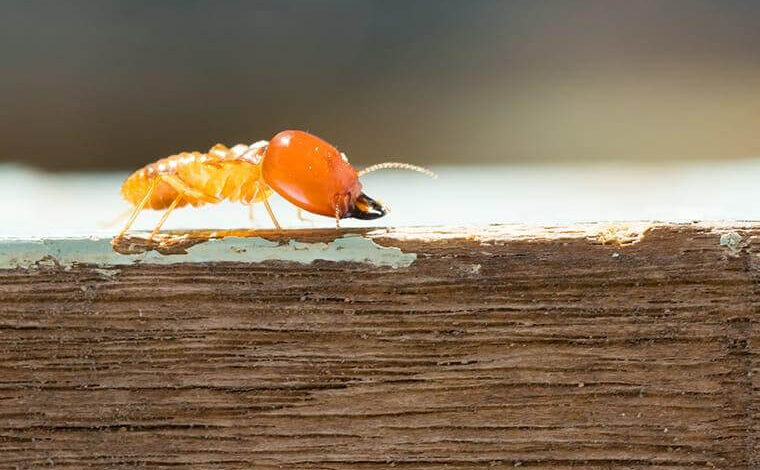
San Antonio’s heavy clay soil retains moisture — and moisture is exactly what subterranean termites need to construct their mud tube highways from the ground directly into your home’s foundation and wooden framing. Neighborhoods in Helotes, Schertz, New Braunfels, Fair Oaks Ranch, and Timberwood Park are all reporting increased termite activity as development pushes into previously undisturbed land.
Here’s what makes termite infestations so uniquely dangerous compared to other pests:
- A single termite colony can consume a full foot of 2×4 lumber in just 6 months
- Mud tubes are frequently hidden behind drywall, insulation, or inside crawl spaces
- The average homeowner waits 3–8 years before detecting an active infestation
- Repair costs for severe termite damage average between $3,000 and $10,000 per incident
“By the time most homeowners see visible signs of termite damage, the structural integrity of their home has already been compromised. Early detection and professional-grade bait systems are the only reliable defense.” — Cindy Mannes, Vice President of Public Affairs, National Pest Management Association
Common Pest Problems Across San Antonio Neighborhoods
San Antonio is home to a remarkably diverse pest population, and different parts of the city face different threats. Here’s a neighborhood-level breakdown every homeowner should know:
Bexar County and Inner Suburbs: Subterranean termites, odorous house ants, and German cockroaches are the dominant issues. Older homes built before 1980 are especially vulnerable to termite damage due to untreated wood framing.
Castle Hills, Alamo Heights, and Terrell Hills: These historic neighborhoods with mature tree canopy see elevated activity from carpenter ants, wood-boring beetles, and roof rats nesting in attic spaces.
Helotes, Bulverde, and Spring Branch: Properties backing up to cedar and oak hill country terrain face heavy scorpion, black widow, and subterranean termite pressure, particularly in late spring and early fall.
Stone Oak, Timberwood Park, and Far North San Antonio: New construction boom areas are disrupting fire ant mounds and pushing rodents into freshly built homes at an accelerating rate.
Signs You Need Professional Pest Control Immediately
Many homeowners delay calling a pest control company because they assume what they’re seeing is minor. Here are the signs that mean you need professional help — not a can of store-bought spray:
- Discarded termite wings near windowsills or door frames during spring swarm season
- Hollow-sounding wood when you tap on baseboards, door frames, or floor joists
- Mud tubes running along your foundation, brick exterior, or garage walls
- Unexplained sawdust-like frass near wooden furniture or structural beams
- Live rodent sightings inside the home, especially in kitchens or attic spaces
- Multiple recurring ant trails that return within days of DIY treatment
If you’re seeing any of these warning signs, it’s time to contact a certified professional for a thorough inspection. Expert termite control San Antonio can identify the full scope of an infestation and deploy treatment systems that eliminate colonies at the source — not just the surface.
Why Integrated Pest Management (IPM) Is the Gold Standard
Not all pest control approaches are created equal. The most effective — and environmentally responsible — approach is Integrated Pest Management, or IPM. Rather than applying blanket chemical treatments on a fixed schedule regardless of actual pest activity, IPM combines biological, cultural, and chemical control methods to target specific pests while minimizing exposure risks to children, pets, and the surrounding ecosystem.
IPM-certified companies conduct a thorough inspection before every treatment, customize their approach to your property’s specific conditions, use the least invasive and most targeted treatments available, and schedule follow-up visits to verify results rather than simply applying and leaving.
What to Look for When Hiring a Pest Control Company in San Antonio
With dozens of pest control providers operating in the San Antonio metro, choosing the right company makes an enormous difference in outcomes. Before signing any service agreement, confirm the company holds a current Texas Department of Agriculture (TDA) pest control license, employs board-certified entomologists or certified technicians, uses EPA-registered products with documented safety records, and offers a written service guarantee with free re-treatment if pests return between scheduled visits.
Certifications from programs like Sentricon Certified Specialist or Termidor Certified Professional indicate that a company has met rigorous training standards for termite treatment specifically — a critical differentiator when the stakes involve your home’s structural integrity.
Conclusion
San Antonio’s climate, geography, and urban growth patterns make it one of the most pest-active cities in Texas. From subterranean termites silently consuming your home’s foundation to fire ants, rodents, and cockroaches invading your living spaces, the threats are real, year-round, and expensive to ignore. The good news is that with early detection, professional-grade treatments, and a consistent prevention plan, your home can stay protected through every season.
Don’t wait for visible damage to take action. Schedule a professional inspection today, ask about bundled pest and termite protection plans, and invest in the kind of comprehensive coverage that gives you genuine peace of mind. Your home is worth protecting — and the right pest control partner makes all the difference.