
The plumbing industry is undergoing a major transformation—one that focuses on environmental responsibility, technological advancement, and long-term resilience. The future of plumbing no longer revolves around simple pipework and drainage systems. Instead, it’s defined by sustainable innovations that minimize water waste, lower energy consumption, and create smarter, more efficient systems. These advancements are reshaping both residential and commercial infrastructure, proving that sustainability and performance can coexist.
Why Sustainable Plumbing Matters
A Shift in Priorities
The global push for sustainability has reached the very foundations of modern living—water. As populations grow and climate pressures mount, conserving and managing water responsibly is more crucial than ever. Plumbing systems that once focused solely on function are now expected to deliver efficiency, durability, and environmental balance.
Sustainable plumbing innovations aim to reduce water use, prevent leaks, utilize eco-friendly materials, and extend the life of systems. They align with energy efficiency goals and green building standards, creating a future where every drop of water is optimized.
Core Elements of Sustainable Plumbing
Modern sustainable plumbing focuses on:
- Water-efficient fixtures such as low-flow faucets, aerated showerheads, and dual-flush toilets
- Recycled and durable materials that reduce manufacturing waste and resist corrosion
- Smart monitoring systems to track leaks and usage in real time
- Greywater recycling and rainwater harvesting for non-potable reuse
- Energy-efficient heating systems that minimize water heating costs
These components combine to create plumbing systems that are not only environmentally friendly but also financially advantageous in the long run.
Leading Innovations Shaping the Industry
Water Efficiency and Conservation
Water efficiency lies at the heart of sustainable plumbing. Advanced fixtures such as low-flow showerheads and aerated faucets significantly reduce water use without compromising performance. Dual-flush toilets allow users to control the volume of water per flush, conserving thousands of gallons annually.
Key Benefits:
- Reduction in overall household or facility water consumption by up to 50%
- Lower energy use for water heating
- Long-term cost savings through reduced utility bills
Advanced Materials and Eco-Friendly Piping
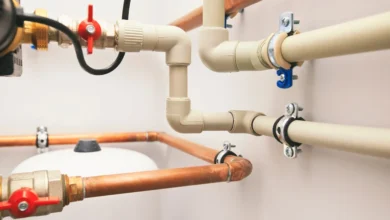
Traditional metal pipes, while durable, often suffer from corrosion and energy-intensive production. Modern plumbing is increasingly adopting PEX (cross-linked polyethylene) and HDPE (high-density polyethylene) pipes for their strength, flexibility, and longevity. Many manufacturers are incorporating recycled materials to reduce their environmental footprint.
Advantages of modern piping materials:
- Extended service life and fewer leak points
- Resistance to scaling and corrosion
- Easier installation with less material waste
- Compatibility with both hot and cold water systems
Greywater Recycling and Rainwater Harvesting
One of the most promising sustainable plumbing solutions is greywater reuse—capturing water from sinks, showers, and laundry and treating it for non-potable applications such as toilet flushing or irrigation. Similarly, rainwater harvesting systems store and filter rainwater to supplement supply.
Practical applications:
- Reducing dependence on municipal water sources
- Lowering water bills for households and businesses
- Reducing stormwater runoff and environmental strain
- Supporting sustainable landscaping and irrigation
Smart Plumbing and Internet of Things (IoT) Integration
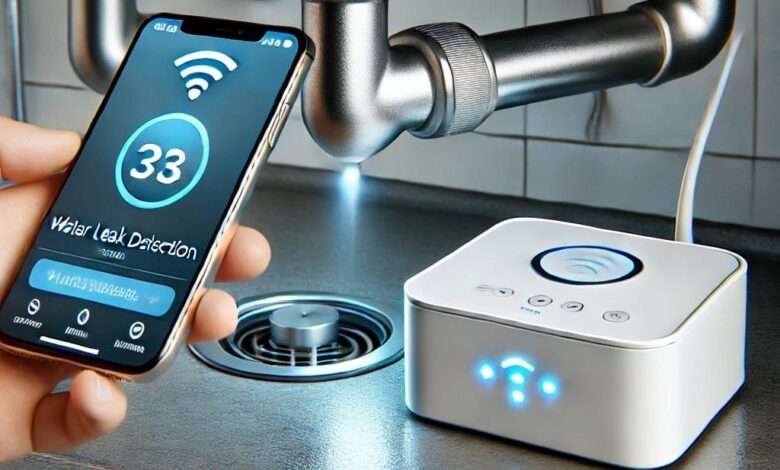
Digital technology is revolutionizing plumbing through smart sensors, automated shut-off valves, and real-time leak detection systems. These innovations make plumbing proactive rather than reactive. By tracking water flow and identifying irregularities, users can prevent damage before it occurs.
Smart plumbing systems enable:
- Early leak detection and automatic shutoff
- Water consumption analytics and usage optimization
- Integration with home automation and building management systems
- Reduced maintenance and repair costs over time
Energy-Efficient Hot Water Systems
Heating water accounts for a large portion of household energy use. Sustainable innovations like tankless water heaters, solar-assisted systems, and heat recovery units are redefining efficiency. These systems only heat water when needed, drastically cutting energy waste.
Benefits include:
- Reduced carbon emissions and energy bills
- Continuous on-demand hot water supply
- Extended lifespan due to minimal standby heating
Implementing Sustainable Plumbing in Practice
In Residential Settings
Homeowners are embracing sustainable plumbing as both a lifestyle choice and an investment. Common upgrades include:
- Replacing outdated fixtures with low-flow alternatives
- Installing dual-flush toilets and water-efficient shower systems
- Using flexible, durable piping to prevent leaks
- Adding rainwater tanks for outdoor irrigation
- Incorporating smart water meters and sensors
Such steps not only enhance sustainability but also increase property value and lower ongoing costs.
In Commercial and Industrial Buildings
Large-scale buildings—offices, hotels, hospitals, and educational institutions—are ideal candidates for advanced sustainable plumbing. Integrated greywater systems, leak detection networks, and efficient hot water systems deliver major operational benefits.
Commercial advantages:
- High-volume water and energy savings
- Lower maintenance costs and reduced downtime
- Compliance with green building certifications such as LEED and WELL
- Stronger corporate environmental responsibility profile
In Municipal and Infrastructure Projects
Urban water systems are being redesigned for the future. Sustainable plumbing innovations extend to district-scale water recycling, wastewater heat recovery, and smart city monitoring systems. Municipalities can track leaks in public networks, optimize water distribution, and conserve resources on a massive scale.
Overcoming Challenges in Sustainable Plumbing
Despite its advantages, the path toward sustainable plumbing isn’t without obstacles.
1. Upfront Costs:
Many innovations require higher initial investment. However, lifecycle savings typically offset these costs through lower water and energy bills.
2. Code and Regulatory Barriers:
Building codes vary by state and often lag behind technological advancements. Industry collaboration and advocacy are key to modernizing these regulations.
3. Maintenance and Technical Skills:
New systems—especially those using sensors or greywater loops—require updated training for plumbers and facility managers. As technology advances, education and certification will play a crucial role.
4. Public Awareness:
Sustainability efforts can only succeed when homeowners and businesses understand their impact. Clear communication about benefits, safety, and proper use ensures lasting success.
Future Directions in Sustainable Plumbing
Integration with Renewable Energy
Plumbing and energy systems are converging. Future designs will leverage solar thermal collectors, wastewater heat exchangers, and hybrid systems that recover and reuse energy from hot water discharge.
Circular Economy and Material Reuse
Plumbing materials will increasingly be designed for reuse and recyclability. From recycled metal fittings to polymer pipes with traceability markers, the focus will shift toward reducing total material waste.
Modular and Prefabricated Systems
Prefabricated plumbing modules allow faster, more precise installation with minimal waste. These ready-to-install systems can include built-in greywater routing and leak detection, making them ideal for large-scale developments.
Artificial Intelligence and Predictive Maintenance
AI will soon analyze water flow data to predict leaks, blockages, or system inefficiencies before they occur. Predictive maintenance will reduce downtime, lower repair costs, and enhance sustainability outcomes.
Urban Resilience and Retrofitting
Retrofitting existing buildings remains a major opportunity. Older systems can be upgraded with efficient fixtures, flexible piping, and smart monitoring tools to extend their life and minimize waste. As cities modernize, this approach will play a central role in sustainable infrastructure.
How to Choose Sustainable Plumbing Solutions
When selecting eco-friendly plumbing systems, consider the following:
- Assess water usage patterns and identify high-consumption areas
- Opt for certified low-flow fixtures to guarantee performance and efficiency
- Choose long-lasting, recyclable materials like PEX or HDPE
- Incorporate greywater and rainwater reuse during initial design
- Integrate monitoring and automation for proactive maintenance
- Evaluate total lifecycle cost, not just upfront expenses
- Ensure code compliance and engage experienced professionals familiar with sustainable systems
Frequently Asked Questions
Q1. What makes plumbing “sustainable”?
Sustainable plumbing focuses on reducing water and energy waste, using eco-friendly materials, and extending the life of systems through durability and smart design. It also promotes resource reuse, such as recycling greywater or harvesting rainwater.
Q2. Can sustainable plumbing really lower my bills?
Yes. By using less water and heating only what’s needed, households and businesses can reduce utility expenses by 20–50% annually.
Q3. Are smart water systems difficult to maintain?
Not necessarily. Once installed, smart systems often simplify maintenance by providing alerts for leaks or unusual patterns. Regular calibration and software updates keep them functioning efficiently.
Q4. Is it possible to retrofit sustainable plumbing in old buildings?
Absolutely. Many modern innovations are designed for retrofits. Flexible piping, modular greywater units, and smart meters can integrate into older systems with minimal disruption.
Q5. What is the next major trend in plumbing technology?
The next wave will involve AI-driven monitoring, advanced material recycling, and the integration of renewable energy with water systems—creating fully closed-loop, self-regulating networks.
The future of plumbing lies in sustainable innovation—a balance of advanced engineering, digital intelligence, and environmental stewardship. By adopting smarter systems, eco-conscious materials, and efficient water practices, the plumbing industry is setting a new standard for sustainable living that will define homes, cities, and infrastructure for decades to come.