

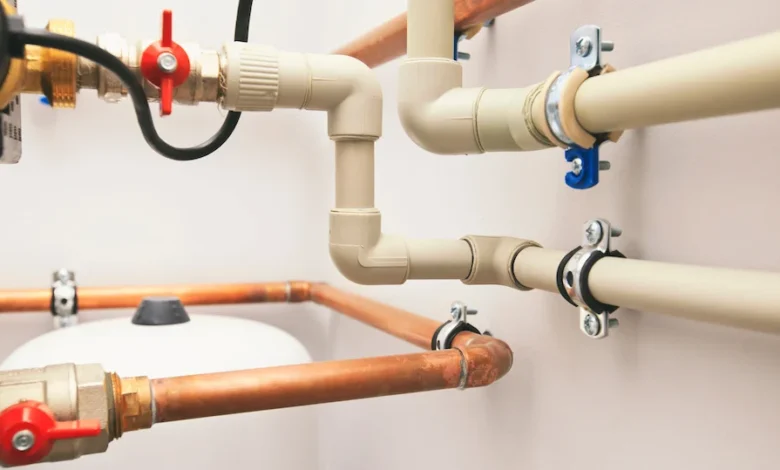
The performance and lifespan of any plumbing system depend heavily on the materials used during installation. Choosing the best materials for long-lasting plumbing systems is not only a technical decision but also an investment in efficiency, safety, and long-term cost savings. The right materials can withstand pressure, temperature fluctuations, corrosion, and chemical exposure for decades, while inferior choices can lead to leaks, water contamination, and costly repairs. Understanding which materials perform best under specific conditions helps ensure durability and sustainability in both residential and commercial applications.
Understanding What Makes a Plumbing Material “Long-Lasting”
A durable plumbing material isn’t just about toughness or resistance to breakage. True longevity comes from a combination of strength, corrosion resistance, flexibility, and compatibility with water quality and environmental factors. Long-lasting materials must also resist scaling, maintain water purity, and handle both hot and cold water efficiently.
Key factors that determine material longevity include:
- Resistance to corrosion and rust caused by minerals, oxygen, or chemicals in water
- Thermal stability to handle temperature changes without expansion or cracking
- Low reactivity to prevent leaching or contamination
- Ease of maintenance and repair when required
- Compatibility with modern fixtures and water-saving systems
Selecting the best plumbing materials means balancing these properties with budget, building type, and local plumbing codes.
Copper: The Gold Standard for Longevity
Copper has been a cornerstone of plumbing for decades due to its unmatched combination of strength, reliability, and resistance to corrosion. It remains one of the best materials for long-lasting plumbing systems, particularly for water supply lines.
Advantages of Copper
- Durability: Properly installed copper pipes can last over 50 years. They are resistant to high pressure and temperature, making them ideal for both hot and cold water lines.
- Corrosion resistance: Copper naturally resists bacterial growth and does not rust. Over time, it forms a thin protective layer of patina that enhances its longevity.
- Safety: Copper does not release harmful chemicals into drinking water.
- Fire resistance: Unlike plastic-based materials, copper does not burn or release toxic fumes under high heat.
Considerations
Copper is more expensive than alternatives and requires professional installation. It can also be affected by highly acidic water, which may lead to pitting or internal corrosion in rare cases.
PEX (Cross-Linked Polyethylene): The Modern Flexible Choice
PEX has become one of the most popular modern plumbing materials thanks to its flexibility, cost-efficiency, and resistance to scaling. It is widely used in both residential and commercial applications for supply lines.
Advantages of PEX
- Flexibility: Its ability to bend and curve reduces the number of joints and fittings required, minimizing potential leak points.
- Corrosion and scale resistance: PEX is immune to rust, mineral buildup, and electrolysis.
- Ease of installation: PEX can be installed faster than rigid metal pipes, reducing labor costs.
- Energy efficiency: PEX helps retain heat in hot water lines better than metal pipes, improving energy efficiency.
Considerations
PEX is not suitable for outdoor use in direct sunlight, as UV rays can degrade the material over time. It’s also essential to avoid exposure to chemicals or petroleum-based products that could weaken the pipe walls.
CPVC (Chlorinated Polyvinyl Chloride): A Strong Contender for Hot Water
CPVC is a widely used material that performs exceptionally well in hot and cold water applications. It combines affordability with reliable durability, especially in residential settings.
Advantages of CPVC
- Heat resistance: Can withstand temperatures up to 200°F, making it ideal for hot water distribution.
- Chemical resistance: CPVC handles a variety of chemical and mineral conditions, reducing the risk of corrosion or scaling.
- Lightweight and easy to install: Requires no special tools and can be easily cut and joined with solvent cement.
- Longevity: With proper maintenance, CPVC can last 40–50 years.
Considerations
CPVC can become brittle over time, especially under mechanical stress or exposure to freezing temperatures. Proper installation and insulation are essential to avoid cracking.
Stainless Steel: Strength and Aesthetic Appeal
Stainless steel plumbing offers exceptional durability, making it a preferred choice for commercial and industrial applications. While more expensive than some alternatives, it provides an excellent combination of mechanical strength and corrosion resistance.
Advantages of Stainless Steel
- Corrosion resistance: Stainless steel resists rust even in humid and saline environments.
- Durability: It can last up to 70–100 years under normal conditions, making it one of the longest-lasting plumbing materials available.
- Low maintenance: Once installed, stainless steel requires minimal maintenance compared to other metal pipes.
- Hygienic and non-reactive: Ideal for potable water systems since it does not leach contaminants.
Considerations
The cost of stainless steel pipes is higher, and installation requires specialized fittings and welding expertise. However, for facilities prioritizing longevity and hygiene, the investment pays off.
PVC (Polyvinyl Chloride): Reliable for Drainage and Waste Systems
PVC pipes are not typically used for pressurized water supply but are a staple for drainage, waste, and vent (DWV) systems. Their lightweight design and chemical resistance make them practical for non-potable applications.
Advantages of PVC
- Resistant to corrosion and chemicals: Ideal for wastewater and chemical drainage.
- Cost-effective: PVC is one of the most affordable materials for plumbing systems.
- Easy to install: Lightweight and easy to cut and join with solvent cement.
- Smooth inner walls: Reduce clogs and improve water flow.
Considerations
PVC cannot withstand high temperatures, making it unsuitable for hot water lines. It can also become brittle when exposed to UV light over time, so it must be protected in outdoor applications.
Galvanized Steel: Durable but Outdated
Galvanized steel was once a go-to choice for residential plumbing due to its strength and availability. However, it has largely fallen out of favor due to its tendency to corrode and restrict water flow over time.
Advantages
- High pressure tolerance: Strong enough for large water distribution systems.
- Structural durability: Suitable for outdoor or industrial settings.
Drawbacks
Over the years, the zinc coating inside galvanized pipes corrodes, leading to rust buildup, reduced water flow, and contamination. In modern construction, galvanized steel has been replaced by copper and plastic-based alternatives.
Cast Iron: Reliable for Drainage and Waste Systems
Cast iron pipes have long been used in drainage and sewer systems. They are known for their strength and sound-dampening properties, which make them ideal for multi-story buildings.
Advantages of Cast Iron
- Durability: When properly maintained, cast iron can last 75–100 years.
- Noise reduction: Absorbs vibration and sound, making it ideal for multi-unit housing.
- Recyclable material: Supports sustainable building practices.
Considerations
Cast iron is heavy, costly to install, and prone to corrosion in humid or acidic environments. Modern versions with protective coatings improve lifespan but increase expense.
Comparing Plumbing Materials for Longevity and Performance
To choose the best material, it’s essential to understand how each option performs under different conditions.
| Material | Expected Lifespan | Ideal Use | Key Strengths | Limitations |
|---|---|---|---|---|
| Copper | 50+ years | Supply lines | Corrosion-resistant, durable | Expensive, sensitive to acidic water |
| PEX | 40–50 years | Supply lines | Flexible, energy-efficient | UV sensitive, chemical exposure risk |
| CPVC | 40–50 years | Hot water systems | Heat resistant, cost-effective | Brittle in cold conditions |
| Stainless Steel | 70–100 years | Industrial/commercial | Strong, corrosion-proof | High cost, special installation |
| PVC | 25–40 years | Drainage systems | Lightweight, easy to install | Not suitable for hot water |
| Cast Iron | 75–100 years | Waste and vent lines | Soundproof, sturdy | Heavy, prone to rust |
This table highlights that no single material fits every scenario. The choice depends on specific system demands, environmental conditions, and maintenance expectations.
Best Practices for Ensuring Longevity in Plumbing Systems
Even the best materials require proper installation and maintenance to reach their full lifespan.
1. Proper installation: Use professional-grade fittings and ensure connections are sealed correctly to prevent leaks.
2. Regular inspection: Periodic checks can identify corrosion, scale buildup, or leaks early.
3. Water quality monitoring: High mineral content can damage some materials, so consider installing a water softener if necessary.
4. Avoid mixed metals: Connecting different metals without dielectric fittings can cause galvanic corrosion.
5. Adequate insulation: Pipes carrying hot water or located in cold areas should be insulated to prevent freezing or heat loss.
The Future of Plumbing Materials
Emerging technologies are introducing advanced composites and sustainable materials that extend lifespan and minimize environmental impact. Innovations such as polymer-metal hybrids, recyclable thermoplastics, and biodegradable pipe coatings are being tested for long-term performance. As sustainability standards tighten, plumbing materials that balance longevity with eco-responsibility will dominate the future.
Frequently Asked Questions
Q1. How can I tell if my plumbing material needs replacement?
Signs such as discolored water, reduced pressure, or visible corrosion indicate that your pipes may be deteriorating. Professional inspection can determine if replacement is necessary.
Q2. What material is best for homes with hard water?
PEX and CPVC are excellent for hard water areas since they resist scaling and mineral buildup that can clog metal pipes.
Q3. Can I mix different pipe materials in one system?
Yes, but it requires proper fittings and techniques to prevent galvanic corrosion. Always use dielectric unions when connecting metals like copper and steel.
Q4. What is the most cost-effective long-term solution?
PEX offers the best balance of cost, durability, and performance for most residential systems, especially when combined with proper maintenance and insulation.
Q5. Are plastic pipes safe for drinking water?
Certified PEX and CPVC pipes are approved for potable water use and do not leach harmful chemicals. Always verify the pipe’s certification before installation.
Q6. How do environmental conditions affect pipe lifespan?
Exposure to UV light, extreme temperatures, and corrosive soil can shorten the life of certain materials. Proper insulation and protective coatings can mitigate these effects.
The key to building long-lasting plumbing systems lies in choosing the right materials for the job and maintaining them with care. Whether it’s the time-tested reliability of copper, the flexibility of PEX, or the strength of stainless steel, understanding the characteristics of each option ensures that your plumbing system stands the test of time, delivering efficiency, safety, and durability for decades.