

Choosing the Perfect Fence Material for Your Dallas Home
Wood vs. Vinyl: Which Reigns Supreme in the Lone Star State?
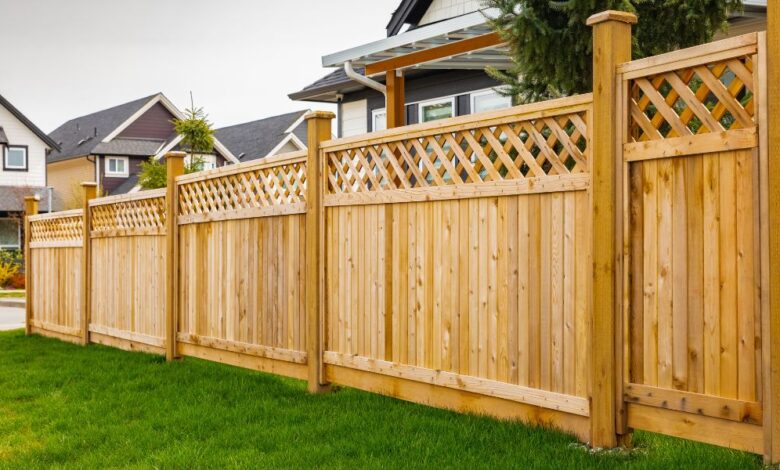
When it comes to choosing the ideal fencing material for your Dallas home, wood and vinyl are two of the most popular options, each offering unique advantages and aesthetic appeals. Wood provides a classic charm that many Dallas homeowners appreciate. It can be customized with various stains and paints to match your property’s design and landscape. Although wood has a traditional allure, it comes with its challenges. The Texas climate, known for its hot summers and intermittent heavy rains, can contribute to wood decay, warping, and termite infestations if not properly maintained. If you opt for wood, consider using durable species such as cedar or redwood, which have natural resistance to weathering and insects.
On the other hand, vinyl fencing has surged in popularity in recent years due to its low maintenance and longevity. Unlike wood, vinyl does not rot, warp, or require periodic painting or staining, making it a smart investment for homeowners seeking durability. Vinyl arrives in a variety of styles, colors, and heights, allowing for both privacy and aesthetic appeal. However, it’s essential to note that vinyl can discolor over time when exposed to harsh sunlight and extreme temperatures, so it’s vital to choose high-quality materials with UV protection. In terms of cost, while wood can be initially cheaper, the overall maintenance expenses and potential replacement costs may make vinyl a more economical choice in the long run.
Metal Fences: A Fortified Choice for Security Seekers
For homeowners prioritizing security, metal fences present robust options that cater to a range of aesthetic and functional requirements. Options like wrought iron, aluminum, and chain-link provide excellent durability and are often seen as the gold standard in boundary protection. Wrought iron fences are particularly favored in Dallas due to their regal appearance and high resistance to impact and wear. However, they may require periodic painting to prevent rusting, especially in areas prone to moisture. Aluminum fencing, on the other hand, offers a lightweight and rust-resistant alternative while maintaining a luxurious look. Chain-link fences, while more utilitarian in appearance, are cost-effective and can be enhanced with vinyl coating to increase attractiveness and durability.
Moreover, when considering metal for your fence, be aware of the potential heat retention in Dallas’ warm climate, which can lead to elevated temperatures in near proximity. A protective landscaping design that includes shrubs or vines can make a metal fence appear more inviting while enhancing privacy and shade.
Sustainable Options: Eco-Friendly Fencing Materials to Consider
For the environmentally conscious homeowner, exploring sustainable fencing materials is vital. Bamboo, for example, is a rapidly renewable resource that makes for a stylish, durable, and eco-friendly fencing option. Known for its natural strength, bamboo can withstand harsh weather conditions, making it suitable for the varying climate of Dallas. Similarly, composite materials made from recycled plastics and wood fibers have emerged as a sustainable alternative that mimics the look of traditional wood while offering durability and resistance against decay and pests.
Additionally, when opting for eco-friendly fencing solutions, consider utilizing local materials which not only reduce your carbon footprint but also support local economies. Native plants can be integrated with your fencing design to create a natural barrier, enhancing both privacy and wildlife habitats. This approach helps promote biodiversity, turning your fence into a functional part of the ecosystem.
Understanding Local Regulations and Permits for Fence Installation
Navigating the Dallas City Code: What You Need to Know
Before embarking on your Dallas fence installation journey, it’s crucial to understand the regulations outlined in the Dallas city code. The city has specific rules concerning fence height, materials, and location, designed to maintain neighborhood aesthetics and safety. Typically, residential fences can range in height from 4 to 8 feet depending on their intended purpose—privacy, security, or decorative. For example, fences along front yards may have stricter height restrictions (usually capped at 4 feet) compared to those in backyards, which can often reach up to 8 feet, whereas corner lots may face additional scrutiny for visibility and traffic safety.
In terms of materials, the Dallas City Code also regulates which types are permissible within certain zones, particularly concerning safety and aesthetic harmony with neighboring properties. It is advisable to consult the city’s zoning ordinances or even visit the city’s official website for the most current regulations. Ignoring these guidelines could result in fines, mandated removal of structures, or other legal ramifications, making thorough research an essential step before purchasing materials or beginning installation.
HOA Guidelines: Avoiding Fines and Frustrations
Many Dallas neighborhoods are governed by homeowner associations (HOAs), which may have additional regulations that exceed city codes. These guidelines can cover everything from fence height and materials to style and setback requirements. Often, an HOA requires submission of a design plan for approval before installation commences. Failure to adhere to HOA guidelines could result in fines, mandated alterations, or legal disputes with your neighbors, so it is critical to review any existing HOA documentation thoroughly.
To avoid these pitfalls, engage proactively with your HOAs. Attend community meetings and ask about the nuances of organized fencing policies. Often, engaging neighbors during the planning process can yield valuable insights into what has worked well in your area, and may provide an opportunity to cultivate goodwill and support for your installation project.
Setbacks and Property Lines: Protecting Your Space with Knowledge
Understanding property lines and setback regulations is another key element of fence installation in Dallas. A setback refers to the minimum distance a fence must be from your property line as defined by local zoning laws and ordinances. This distance can vary depending on your neighborhood, but typically ranges from 0 to 3 feet. Accurately determining your property boundaries is essential to avoid encroaching on your neighbor’s land, which could lead to disputes or, worse yet, the need for fence removal.
To establish clear boundaries, consider obtaining a professional land surveyor to delineate your lot lines accurately. If a survey is not feasible, use existing documents such as your property deed, tax maps, and plat maps to provide guidance. Open communication with your neighbors prior to installation can also help avert conflicts and foster a cooperative spirit. Establishing your desired fence line with simple markers before installation not only minimizes possible disputes but also allows for neighborly feedback that might enhance aesthetics or functionality.
The Art of Fence Design: Blending Functionality with Aesthetics
Creative Privacy Solutions: Enhancing Your Outdoor Sanctuary
Creating a private outdoor space can turn your backyard into a peaceful sanctuary away from the hustle and bustle of the city. To achieve this, think beyond traditional fencing options. Consider combining different height levels or styles to create a more dynamic fence design. For instance, mixing a solid wood fence with trellis elements topped with climbing plants can not only provide privacy but also add vertical interest and a touch of nature.
For added protection against the prying eyes of neighbors, you might consider incorporating outdoor curtains or shades that can be adjusted according to the time of day. These solutions add an extra layer of privacy while enhancing the aesthetic appeal of your outdoor space. Another option is to use decorative lattice along the top of a fence; not only does it enhance privacy, but it provides an elegant transition to plant life, allowing vines to intertwine for a beautiful and eco-friendly look.
Color Choices and Finishes: Making a Bold Statement
The color and finish of your fence can dramatically influence the overall look of your property. While traditional wood colors like browns and natural stains complement natural landscapes, bold modern hues—such as black, grey, or white—are increasingly popular for their ability to captivate attention and modernize the look of homes. When selecting a color, consider how it pairs with the exterior of your home as well as with surrounding flora. For example, a bright white fence can create a striking contrast against lush greenery, while darker tones can add depth and sophistication.
Furthermore, exploring different finishes, such as matte, gloss, or semi-gloss coasts, can showcase textures and design elements uniquely. Matte finishes tend to lend a more organic look that works well with natural elements, while glossy finishes can reflect sunlight dramatically, giving a more contemporary edge. Ensure the finishes you choose are suitable for the materials used, and that they include UV protection to withstand the intense Dallas sun, thus extending the life of your fence.
Incorporating Landscaping: Seamless Integration with Nature
To create a cohesive aesthetic, landscaping should complement your fence rather than compete against it. Integrating landscape elements such as shrubs, trees, and flowers can soften the boundaries created by your fence and make your outdoor space feel more inviting. Tall ornamental grasses or perennial plants can create natural borders that provide aesthetics as well as additional privacy. You may also consider planting climbing vines–such as jasmine, clematis, or climbing roses–against trellises or even on solid panels. This not only promotes biodiversity but also enhances the visual appeal of your fence over time.
Create layered garden beds that wrap around the base of your fence for added texture and color. This technique not only enhances beauty but also helps your fence blend seamlessly into its surrounding environment. Moreover, consider including path lighting along your fence line or landscape lighting directed toward your fence to highlight its architecture at night. The combination of landscaping and light can transform a simple fence into a beautifully integrated component of your outdoor sanctuary.
Expert Installation Tips for a Hassle-Free DIY Fence Project
Essential Tools and Materials: What You Really Need
Before you begin your fence installation, ensure you have the necessary tools and materials to make the process as efficient as possible. Basic tools include a post hole digger or auger, level, measuring tape, hammer, and saw. Depending on your chosen fencing material, additional equipment might be required. For wood fences, consider a miter saw for accurate cuts and a sledgehammer for securing posts. If you’re installing a vinyl or metal fence, make sure you have the correct drill bits for your materials.
In addition to tools, gather all necessary materials in advance. This typically includes fencing panels, posts, railing, concrete (for settings posts), screws or nails specific to your fencing type, a string line for alignment, and safety gear such as gloves and goggles. Having everything ready will enhance efficiency, reduce interruptions, and guarantee a smooth installation process.
Step-by-Step Process: From Planning to Final Touches
The installation process can be broken down into several manageable steps that ensure accuracy and durability. Begin by outlining the fence line, using stakes and a string line to mark where the fence will go, which helps visualize task complexity and minimize errors later. Once you have the layout finalized, check property lines and gain any necessary permits or permissions from neighbors or local authorities.
Next, determine the proper depth for your posts—ideally one-third of the post should remain above ground, secured with concrete for stability. Dig the holes at the post locations and ensure they are at least 2-3 feet deep. Place your posts and fill the holes with concrete, ensuring each post is leveled vertically. As the concrete sets, you can start installing panels by attaching them to the secured posts using screws or nails. Be meticulous—the alignment and level needs to be perfect, as imperfections can lead to greater issues down the line.
Once the panels are in place, finish by trimming excess materials, adding varnish or stain (if necessary), and ensure everything looks clean and tidy. Don’t forget to take a step back and admire your handiwork—after all, proper installation is a significant investment into your home’s value.
Common Pitfalls and How to Avoid Them: Learning from the Pros
Even seasoned DIYers can encounter pitfalls during fence installation. A common mistake is rushing through the planning process, which can lead to miscalculation of material needs or ignoring local regulations. Always take the necessary time to properly measure your space, consult local code, and prepare appropriately before installation commences.
Additionally, improperly secured posts can lead to sagging fences, especially in adverse weather. Ensure that the concrete sets according to the manufacturer’s recommendations—typically 24 to 48 hours before you proceed with attaching panels. Also, avoid positioning your fence too close to trees or vegetation that might cause overgrowth and obstruction, necessitating future adjustments or maintenance. Lastly, remember to keep your work area safe and secured, particularly with sharp tools and heavy materials around. Using safety precautions not only protects you but also enhances the overall quality of your workmanship.
FAQ
Question: How can I determine the exact property lines before installing a fence? – To accurately determine property lines, consider hiring a professional land surveyor or consult property deeds, tax maps, and plat maps. Open communication with neighbors can also help clarify boundaries.
Question: Are there specific times of year that are best for fence installation in Dallas? – The best time for fence installation in Dallas is typically during the spring or fall when temperatures are milder. This timing can help avoid the extremes of summer heat and winter cold, facilitating a better installation process.
Question: What types of maintenance should I plan for my fence after installation? – Maintenance plans will vary based on the material but can include regular inspections, cleaning, repainting or staining wood, rust prevention for metal fences, and checking for any structural issues to prolong the fence’s lifespan.
Question: Can I install my fence without a permit? – It depends on local regulations, but many areas in Dallas do require permits for fence installations, especially for significant changes or taller heights. Always check city codes before starting your project to avoid fines or having to remove the fence.
Question: What is the typical lifespan of various fence materials? – Wood can last 10 to 15 years with proper maintenance, vinyl usually lasts around 20 to 25 years, and metal fences can have a lifespan of 30 years or more depending on the care taken against rust and corrosion.
Question: Are there any specific design themes that work well with different fence types? – Yes, traditional wooden fences often complement rustic or country-themed designs, while sleek, modern vinyl or metal fences align well with contemporary architecture. Landscaping can also be integrated based on the fence style to enhance aesthetics.
Question: What are common mistakes to avoid during fence installation? – Some common mistakes include failing to check local codes, miscalculating material needs, not allowing concrete posts to set properly, and rushing the planning stage, which can lead to errors or disputes with neighbors.
Question: How can I enhance the durability of my fence? – Enhancing durability can involve selecting high-quality materials, regular maintenance to address wear and tear, applying protective coatings, and ensuring proper installation techniques to withstand local weather conditions.
Useful Resources
- Eko Texas – Sustainable Fencing Solutions
- Fence Installation Guide – Comprehensive Resources
- American Fence Association – Educational Materials
- City of Dallas – Local Regulations and Permits
- National Institute of Food and Agriculture – Gardening and Landscaping Tips
- Consumer Reports – Fencing Material Comparisons
- Better Homes & Gardens – Outdoor Decor Ideas
- Houzz – Home Design and Landscaping Inspiration