

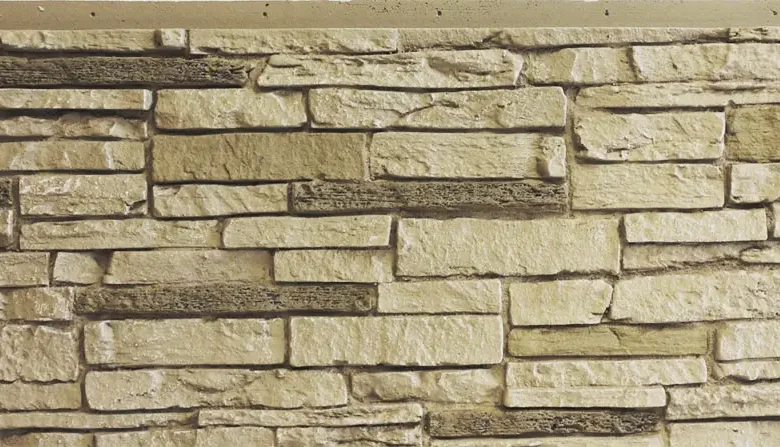
The Allure of Fake Rock Wall Panels: Why Go Faux?
Nature on a Budget: Cost-Effective Alternatives to Real Stone
Fake rock wall panels offer a visually appealing alternative to traditional stonework, all while being gentle on your wallet. Real stone can be prohibitively expensive, considering not just the material cost but also the additional expenses related to transportation and installation. For instance, sourcing quality natural stone often requires significant investment in terms of both time and money, as heavy lifting and meticulous craftsmanship come into play. On average, real stone can cost anywhere from $30 to $100 per square foot, depending upon the type and source. By contrast, faux rock panels can reduce your costs remarkably, sometimes under $10 per square foot, making them a financially savvy choice for homeowners and businesses looking to transform their environments without breaking the bank.
Moreover, faux panels allow for greater flexibility in design and installation. With lightweight materials, you can reduce labor costs significantly, and many homeowners have discovered the satisfaction of a DIY project that provides an impressive return on investment. The affordability of these panels does not translate to a compromise in aesthetics; many designs replicate the appearance of natural stone with striking precision. From rugged mountain stone to sleek slate, there is an option for every style. Consequently, homeowners can achieve a high-end look without the hefty price tag, enjoying a stylish space that welcomes family and guests with warmth and charm.
The Environmental Impact: Sustainable Choices in Home Décor
As environmental concerns become increasingly prominent in modernization and construction, choosing sustainable materials for home décor has never been more critical. Faux rock wall panels are often manufactured from recycled materials, making them a sustainable alternative to traditional stone. When you opt for faux, you are not just benefiting economically but also reducing your carbon footprint. Most faux rock panel products are made from polyurethane or fiberglass, both of which can incorporate recycled content, thereby promoting a more sustainable production process.
Furthermore, the production of faux rock panels tends to generate less waste and requires fewer resources than natural stone harvesting, which can disrupt ecosystems, promote soil degradation, and necessitate extensive transport. This highlights an essential aspect for environmentally conscious consumers: selecting faux panels not only beautifies your space but aligns with a more sustainable ethos. Companies are increasingly recognizing this demand and are tailoring their offerings to meet the expectations of eco-friendly construction and decor, illustrating the synergy between aesthetics and sustainability.
Aesthetics Unleashed: The Versatility of Faux Rock Finishes
The aesthetic versatility of fake rock wall panels is one of their strongest selling points. Unlike traditional stonework, which is often constrained by the available types of natural stone and their specific characteristics, faux rock panels come in an array of designs, colors, sizes, and textures. Whether you prefer a rustic, rugged look to evoke a charming countryside feel or sleek, modern finishes that suit upscale city living, faux panels can meet diverse design needs.
Homeowners can easily match faux panels to their existing decor, allowing for seamless integration with various architectural styles—from contemporary homes to traditional cabins. These adaptable design elements can be used to create feature walls, fireplace surrounds, or even outdoor applications like patios and garden walls. Additionally, advancements in technology have made it possible for manufacturers to create highly realistic textures that mimic the intricate details of natural stone, right down to the grains and color variations seen in a genuine rock face. This ability to manipulate aesthetics allows homeowners and designers to unleash creativity and achieve the desired atmosphere with ease.
Choosing the Right Panels: Materials, Designs, and Textures
From Polyurethane to Fiberglass: A Material Breakdown You Need
When it comes to faux rock wall panels, choosing the right material is critical for both installation ease and longevity. The most common materials used in the manufacture of these panels are polyurethane and fiberglass, each bringing unique benefits to the table. Polyurethane panels are lightweight and easy to handle, making them perfect for DIY projects. They often come pre-finished and can handle various weather conditions, making them suitable for both indoor and outdoor use. Additionally, their insulating properties can help enhance energy efficiency within your home.
On the other hand, fiberglass panels offer excellent durability and are highly resistant to moisture, making them ideal for areas prone to humidity or extreme weather. They also tend to be UV-resistant, ensuring that the colors and details remain vibrant over time even when exposed to harsh sunlight. It’s crucial to take into account the specific conditions of your environment—whether your panels will be installed indoors or outdoors—and choose the material that best accommodates those needs. Assessing your priorities—such as budget, aesthetic preference, and environmental considerations—will enable you to make informed decisions about which style of faux rock wall panel is appropriate for your next project.
Textural Diversity: How to Match Your Panel Style with Your Space
Texture plays a pivotal role in how wall panels perceive visually and tactilely. From rough-hewn stone to smooth slate finishes, the texture can significantly impact the overall ambiance of your space. When selecting faux rock panels, it’s essential to consider how the texture interacts with surrounding elements within your home or commercial establishment. A rougher texture can add depth and dimension, making it an excellent choice for rustic settings or accent walls. Conversely, a smoother finish can create a modern, sophisticated look that aligns with minimalist designs.
Moreover, the interplay of textures between faux rock panels and other materials within the room can amplify the desired theme. For example, combining sleek faux rock with metal or glass elements can create an inviting contrast, perfect for contemporary spaces. Textural diversity is not just about visual appeal; it also creates a sensory experience, enhancing the comfort and livability of your environment. Therefore, it’s worth taking the time to experiment with different combinations and configurations to discover what feels just right for your design objective.
Color Psychology: Choosing Shades That Enhance Your Room’s Mood
Color is an essential component in interior design, as it can profoundly influence mood and perception. When selecting faux rock wall panels, understanding color psychology can empower homeowners to create environments that foster relaxation, productivity, or energy. For instance, earthy tones like browns and greys create a sense of calm and stability, making them excellent choices for spaces intended for relaxation, such as living rooms or bedrooms. In contrast, warmer shades—like creams and terracotta—can add vibrancy and make areas feel more inviting, encouraging social interaction in communal spaces.
Additionally, the choice of color not only impacts feelings but also represents personal style. Many homeowners find that incorporating hues that resonate with their unique tastes allows for a more authentic living space. It’s important to consider the overall color palette of the designated area when selecting faux rock panels. Examining how the color of the panels interacts with existing furniture, flooring, and wall colors can help ensure a cohesive aesthetic. Conducting sample tests of various shades in different lighting conditions will provide insightful guidance when making the final decisions. Ultimately, the colors chosen should contribute to the overall ambiance you wish to create.
The Installation Journey: DIY vs. Hiring Professionals
Step-by-Step Guide: How to Install Faux Rock Panels Like a Pro
Installing faux rock wall panels can be a rewarding experience, particularly for DIY enthusiasts seeking to elevate their space’s aesthetic. Understanding the installation process is crucial. The first step involves planning the layout of your panels, measuring the space accurately, and determining how many panels will be required. Once you have your measurements, gather the necessary tools—these typically include a saw (for cutting panels), adhesive, a level, a caulking gun, and protective gear.
The next phase of installation involves preparing the wall surface. Ensure it is clean, dry, and free from any debris—this step will enhance adhesion. Afterward, begin applying adhesive to the back of the panels, following the manufacturer’s instructions carefully. Start from one corner and ensure each panel is level and correctly aligned with adjacent pieces. It’s advisable to apply pressure, allowing the adhesive to set for several minutes before securing in place with nails or screws for extra support. Lastly, once all panels are installed, you may want to consider caulking the seams to create a polished, seamless look. Allow time for the adhesive to cure fully, as per the manufacturer’s recommendation, before adding any furniture or décor.
Top Mistakes to Avoid When Installing Wall Panels Yourself
While the installation of faux rock wall panels presents an exciting DIY opportunity, several common pitfalls can detract from achieving a professional finish. One major mistake is neglecting to account for temperature and humidity before installation—patterns of high humidity can affect adhesion. Additionally, improper measurement can lead to unnecessary waste or gaps between panels, contributing to an unprofessional appearance.
Another common error is failing to pre-drill holes for nails or screws; this can result in splintering or cracking of the panels. Proper safety precautions should also be observed—using protective gear and ensuring the work environment is safe can help prevent accidents during installation. Finally, rushing through the process without allowing proper curing time for the adhesive will undermine the durability of your panels. Taking your time to do it right ensures a long-lasting and striking installation.
When to Call in the Experts: Recognizing Your Installation Limits
Though embarking on a DIY faux rock wall installation can be exhilarating, it is crucial to recognize when the complexities of the project may necessitate professional intervention. If you encounter structural challenges such as uneven walls or prior surface damages that could compromise the integrity of your installation, seeking expert help is advisable. Additionally, extensive areas requiring panels may overwhelm the average homeowner, leading to mistakes that incur more costs in the long run.
Similarly, projects involving intricate patterns or design elements may require a level of expertise best left to professionals who can ensure accurate alignment and aesthetic coherence. Moreover, if you desire a bespoke design or finishing touches that require advanced skill sets, bringing in an experienced contractor can guarantee the desired outcome. Ultimately, understanding your own skills and limitations will save time and resources, allowing you to focus on the creative aspects while ensuring a polished finish.
Maintenance Matters: Keeping Your Faux Rock Panels Looking Fresh
Cleaning Hacks: Simple Solutions for Long-Lasting Beauty
Faux rock wall panels are relatively low-maintenance, but they still require periodic cleaning to keep them looking their best. A gentle soap-and-water solution is often all that’s needed to remove dirt and grime from the surface. For stubborn stains, a soft-bristled brush can be used to scrub without damaging the panel finishes. It’s crucial to avoid using harsh chemicals, as they can strip away coatings designed to protect the panels, leading to premature wear. Regular dusting or vacuuming will also help prevent the build-up of dirt and allergens, ensuring a clean environment for your home.
For outdoor applications, consider investing in weather-resistant sprays or protective coatings that can shield the panels from the elements and make cleaning easier. In areas exposed to water or extreme climates, these measures help maintain the panels’ vibrancy and longevity. Keeping an eye on the panels for any signs of damage or fading allows proactive measures to be taken before the issues worsen, thereby preserving the investment you’ve made in your faux rock walls. Regular upkeep not only enhances the aesthetic appeal but also prolongs the life of your decorative feature.
Dealing with Moisture: Protecting Your Panels from the Elements
Moisture is a significant concern for faux rock panels, particularly in environments where humidity levels fluctuate. To combat this, selecting the right materials that provide inherent moisture resistance is essential. If your panels are outdoors or installed in areas prone to dampness, ensure they feature UV and mold-resistant treatments. Applying a sealant can also create a barrier against moisture and protect the integrity of the foam or fiberglass used in your panels.
In spaces like basements or bathrooms, proper ventilation is key to preventing excessive humidity that can lead to mold growth. Utilizing dehumidifiers or exhaust fans to regulate moisture levels will enhance the longevity of your installation. Regular inspections can help assess the condition of the panels, allowing you to address any mold or mildew issues before they escalate. By staying vigilant and proactive, you can keep your faux rock panels looking impeccable year-round.
Restoration Tips: Reviving Color and Texture Over Time
Even the sturdiest faux rock wall panels may suffer from fading over time due to exposure to sunlight and other environmental factors. To restore their vibrancy, consider using specially formulated coatings or paints designed for the material of your panels. These products can rejuvenate the colors and finish of the panels, ensuring they continue to make a striking statement in your space. Additionally, applying a clear finish can enhance texture and depth, offsetting any dullness that may have developed over the years.
For minor scratches or wear, touch-up paint can be an effective solution to maintain an immaculate appearance. It is advisable to test colors on an inconspicuous area first to ensure they are a match. Furthermore, regular inspections will help determine when restoration efforts are necessary—catching issues early can mitigate the need for extensive repairs or adjustments in the future. Embracing a proactive maintenance routine will not only contribute to your faux rock panels’ aesthetic appeal but also solidify their place as long-lasting decor elements in your home.
FAQ
Question: How do faux rock wall panels hold up against harsh weather conditions? – Faux rock panels, particularly those made from fiberglass, are designed to withstand extreme weather conditions. They are typically UV and moisture-resistant, making them suitable for outdoor use in various climates.
Question: Can faux rock wall panels be installed in high-moisture areas like bathrooms? – Yes, faux rock wall panels can be installed in high-moisture areas, provided they are made from moisture-resistant materials and properly sealed to prevent water damage.
Question: Are there any specific tools required for installing faux rock wall panels? – Typical tools for installation include a saw for cutting panels, adhesive, a level to ensure alignment, a caulking gun for sealing seams, and protective gear for safety during the installation process.
Question: What are some common mistakes to avoid during installation? – Common mistakes include neglecting proper measurements, failing to pre-drill holes for fasteners, and not allowing adequate curing time for adhesive, all of which can lead to poor installation results.
Question: How can I enhance the overall aesthetic when using faux rock panels? – Enhancing aesthetics can be achieved by carefully choosing complementary materials, such as combining faux rock with metal accents, and coordinating colors that align with overall design themes.
Question: Is professional installation recommended for faux rock panels? – While many homeowners opt for DIY installation, seeking professional help is advisable in cases of complex layouts, structural challenges, or if detailed precision is required for the design.
Question: How do I maintain the look of my faux rock wall panels over time? – Regular maintenance involves gentle cleaning with soap and water, keeping an eye out for signs of damage, and using protective coatings to preserve colors and finish.
Question: Are there eco-friendly options available for faux rock wall panels? – Yes, many faux rock wall panels are made from recycled materials, offering a sustainable choice for those looking to reduce their environmental impact while enhancing their space.
Useful Resources
- Architectural Digest
- Houzz
- Better Homes & Gardens
- DIY Network
- Fine Homebuilding
- Green Building Advisor
- Apartment Therapy
- HomeAdvisor