
True luxury in interior design is rarely about how much money was spent on a single item. High-end spaces feel refined because of harmony, scale, thoughtful curation, and attention to detail. Walk into an architecturally striking hotel lobby or a designer home, and the immediate sensation of elegance stems from how the space breathes, how light interacts with surfaces, and how textures complement one another.
Many homeowners believe that achieving this polished aesthetic requires an unlimited bank balance, custom European imports, and bespoke millwork. In reality, the difference between a high-end look and an ordinary room often comes down to disciplined styling choices rather than raw expense. By understanding the core visual principles that professional decorators rely on, anyone can introduce an unmistakable air of luxury into their home while remaining firmly within a sensible budget.
Embracing Scale and Proportion Over Small Accents
One of the most common mistakes in budget-conscious decorating is buying numerous inexpensive, small accessories to fill a room. People often purchase small frames, modest table lamps, undersized rugs, and tiny decorative items. This habit leads to visual clutter, which instantly destroys any sense of grandeur.
Luxury spaces favor scale, presence, and restraint:
-
Oversized Area Rugs: An undersized rug acts like a postage stamp floating in the center of the room. A high-end living area anchors furniture firmly. Ensure that at least the front legs of all major seating pieces sit comfortably on the rug. If a large wool rug is outside your price limit, purchase an expansive, inexpensive flat-weave jute or sisal rug as a broad base, then layer a smaller, softer accent rug over the top.
-
Large-Format Artwork: Rather than assembling a busy gallery wall of ten mismatched small frames, opt for one or two substantial statement pieces. You can stretch raw canvas over simple wooden stretchers, apply textured joint compound for minimalist plaster art, or frame high-resolution public-domain photography prints using large, off-the-shelf poster frames with wide white mats.
-
Tall Architectural Lamps: Compact, squat lighting fixtures look timid. Selecting floor lamps and table lamps with generous bases and towering shades creates vertical drama, drawing the eye upward and expanding the perceived ceiling height.
Restraint is the ultimate marker of refinement. A room with three well-proportioned, impactful items will always look more luxurious than a space crowded with twenty minor trinkets.
Master the Art of Architectural Trim and Molding
Historic estates and luxury penthouses feature rich architectural character, such as deep crown molding, high baseboards, picture frame wainscoting, and coffered ceilings. In modern residential construction, developers routinely cut costs by installing plain drywall, hollow-core flat doors, and narrow, paper-thin baseboards.
Adding architectural detail yourself is one of the most cost-effective methods to elevate a room from builder-grade to custom-built:
-
Picture Frame Molding: Applying applied wood or high-density polyurethane molding trim in balanced rectangular panels across plain drywall mimics classic Parisian apartments. With a basic miter box, hand saw, construction adhesive, and a level, you can install picture frame molding over a single weekend for minimal material cost.
-
Upgrading Baseboards: Replace three-inch baseboards with five-to-seven-inch profiles. If removing existing baseboards is too invasive, install a strip of thin base cap molding two inches above your existing baseboard and paint the wall space between them the same color, creating the visual illusion of a thick, historic trim board.
-
Elevating Interior Doors: Swap out plain hollow doors for paneled alternatives, or add slim trim strips to plain doors to create recessed panels. Finish them with solid, weighty brass or matte black lever handles to replace cheap, rattling round knobs.
Upgrading Hardware for High-Touch Impact
High-end design engages the sense of touch just as much as sight. Cheap, lightweight hardware instantly betrays an otherwise well-decorated room. Think about the components in your home that hands touch every day: cabinet pulls, door handles, light switches, and plumbing fixtures.
Standard contractor-grade switch plates made of flimsy white plastic look cheap and turn yellow with age. Replacing them with screwless, matte white wall plates or brushed brass switch covers costs only a few dollars per unit but immediately signals thoughtful attention to detail.
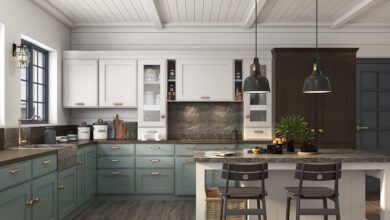
Similarly, refreshing kitchen and bathroom cabinetry does not require gutting the millwork. Replacing lightweight aluminum or stamped zinc handles with heavy, solid-brass, aged-bronze, or reeded hardware completely alters the character of the cabinets. Look for hardware with weight and clean seams, which creates a tactile impression of quality each time a drawer or door is pulled open.
Layering Textures and Tonal Palettes
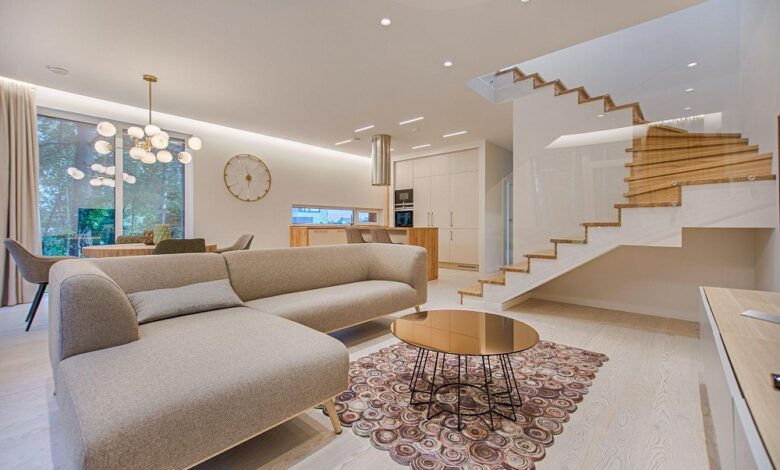
A monochromatic or tonal color scheme is a classic tool used by top interior designers to evoke luxury. When a space relies on a cohesive palette of warm creams, soft stone, taupe, or deep charcoal, the eye moves smoothly across the room without being interrupted by jarring contrasts.
However, a neutral room runs the risk of feeling flat and sterile if it lacks rich surface variation. The secret lies in layering contrasting tactile textures:
-
Boucle, Linen, and Velvet: Pair a crisp linen sofa with heavyweight velvet lumbar pillows, a nubby wool throw, and a textured boucle accent chair.
-
Raw Woods and Polished Stone: Balance smooth, reflective surfaces like a polished quartz table or a mirror with raw, open-grain oak side tables or a weathered stone vase.
-
Woven Natural Fibers: Introduce woven rattan baskets, grasscloth accents, or leather trays to bring warmth and natural irregularity to painted drywall surfaces.
When designing on a budget, prioritize natural fabric compositions like cotton, linen, and wool over shiny polyesters and synthetic satins, which often reflect artificial light in a harsh, synthetic manner.
Window Treatments: Height, Width, and Weight
Inexpensive window dressing looks skimpy, short, and stiff. High-end window treatments look substantial, flowing, and architecturally integrated. Transforming store-bought drapery into a custom-looking installation requires following three structural rules:
-
Hang High and Wide: Mount your curtain rods as close to the ceiling line or crown molding as possible, rather than right above the window casing. Extend the rod eight to twelve inches beyond the sides of the window frame. This trick makes the window appear substantially larger and allows maximum daylight to flood the room when drapes are open.
-
Ensure Fullness: The total width of your curtain panels combined should equal at least double the width of the window frame. A curtain panel that hangs stretched tight when drawn looks cheap. Generous folds create an appearance of abundance.
-
Length to the Floor: Curtains must brush the floor, kiss the baseboard, or have a subtle half-inch break. Curtains that stop two inches short of the floor resemble pants that are too short and visually disrupt the vertical line of the wall.
To make inexpensive curtain panels look like custom drapery, buy plain linen-blend panels and sew drapery weights into the bottom corners. You can also press pleats into the fabric with an iron and use hidden pinch-pleat curtain hooks hung on a sturdy metal traverse rod or rings.
Curating Rather Than Decorating: The Power of Editing
The most luxurious homes look curated over time, not assembled in an afternoon from a single catalog or big-box showroom. Buying an entire matching furniture set consisting of a matching bed, nightstands, dresser, and mirror screams lack of imagination and removes personal narrative from the home.
Mix furniture eras, wood tones, and silhouettes. Pair a mid-century modern credenza with a contemporary sculpted chair and a traditional gilded mirror. Sourcing pieces from flea markets, thrift shops, estate liquidations, and consignment centers gives your home unique character that cannot be replicated overnight.
Finally, practice strict editing. Luxury is defined by the negative space around an object. Remove excess decorative clutter from tabletops, leaving breathing room around your most beautiful books, ceramic vessels, or collected treasures. An empty corner or a clean countertop suggests that the homeowner has plenty of space and values quiet simplicity over needless accumulation.
Frequently Asked Questions
What color temperature should I choose for light bulbs to make my home feel high-end?
Select warm white bulbs rated between 2700K and 3000K across all living areas and bedrooms. Avoid daylight or cool white bulbs rated at 4000K to 5000K, which cast a blue, sterile glare reminiscent of an office cubicle or commercial hospital setting. Soft, warm lighting flatters architectural contours, enhances fabric textures, and creates an inviting ambiance.
How can I make inexpensive flat-pack furniture look custom and expensive?
Transform flat-pack furniture by swapping out stock hardware for solid-metal handles, replacing standard stubby plastic legs with custom tapered timber or metal legs, and adding architectural crown trim along the top edges of bookcases to mimic built-in cabinetry. Caulking the seams between multiple connected units and painting everything in a single, high-durability eggshell finish erases joint lines and makes modular pieces look custom-built.
Which interior paint finishes give the most luxurious look on walls and ceilings?
For living rooms, dining rooms, and bedrooms, flat, matte, or low-sheen eggshell finishes provide the most sophisticated appearance because they absorb light evenly, concealing drywall imperfections and providing a velvety depth of color. For doors, baseboards, and window trim, step up to a soft satin or semi-gloss finish in a complementary shade to provide subtle contrast and withstand cleaning. Always paint ceilings in dedicated ultra-flat white or match the ceiling color to the walls for an enveloping color-drenched effect.
How do I choose the right scale of artwork when my budget is limited?
Instead of purchasing expensive original oils on canvas, create your own high-impact diptych or triptych by printing high-resolution, copyright-free historical museum paintings on fine art paper. Frame these prints inside large, inexpensive prefabricated frames that feature extra-wide, acid-free mats. The generous border created by a broad white mat creates an elegant, gallery-grade presentation even with modest print sizes.
Is it acceptable to mix different metal finishes in the same room?
Mixing metals is a hallmark of professional interior design when done intentionally, as it makes a room feel layered and developed over time. The key is to select one dominant metal that accounts for roughly seventy percent of the room hardware and accents, such as matte black or unlacquered brass, and complement it with an accent metal, like polished nickel. Avoid mixing metals with identical tones that look like accidental near-matches; aim for clear, purposeful contrast between warm and cool tones.
How can I make low eight-foot ceilings feel significantly taller?
To visually raise low ceilings, run your curtains all the way up to the ceiling junction, install vertical picture frame moldings to emphasize height, and use floor lamps that direct light upward. Painting the ceiling, crown molding, baseboards, and walls the same continuous color eliminates horizontal contrast lines that break up the wall plane, tricking the eye into perceiving the room as an expansive, uninterrupted volume.